
Aria PE-F80 Guitar: Technical Specifications, Global Procurement Trends & Supply Chain Analysis for Music Distributors
An authoritative technical examination and wholesale evaluation of the Aria Pro II PE-F80 single-cut electric guitar. Discover how flat-top ergonomics, Japanese precision tolerances, and streamlined inventory economics are reshaping retail assortment strategies across North America, Europe, and Asia-Pacific.
Why the Aria PE-F80 Guitar Is an Indispensable Commercial Asset
For musical instrument distributors, chain retailers, and specialized guitar dealers, selecting inventory requires balancing heritage appeal with rapid commercial turnover. The Aria PE-F80 guitar solves this dual challenge by reinterpreting Aria Pro II’s historic Protocaster Electric (PE) heritage into an ultra-approachable flat-top design. Rooted in the engineering breakthroughs that Shiro Arai brought to Japanese lutherie starting in 1956, the PE series has long been celebrated for its carved arched contours, heel-less cutaway joints, and versatile electronic balance.
While legendary arched models like the Aria PE-R100 guitar and Aria PE-R80 guitar cater extensively to connoisseurs and classical collectors, the Aria PE-F80 guitar targets the modern gigging player, mid-tier working professional, and recording enthusiast. By engineering a precision flat top (designated by the 'F' lineage) accented with high-figure flamed maple veneer, the PE-F80 achieves a 15% reduction in overall body mass compared to traditional solid-carve variants. This delivers immediate physical comfort during marathon live sets without losing resonant bottom-end authority.
Equipped with dual calibrated high-output ceramic-blend humbuckers, a sleek carved neck junction, and road-worthy Gotoh-compatible bridge geometry, the PE-F80 serves as a high-margin inventory anchor. It commands high sell-through velocity in showrooms because it combines the prestige of Japanese lutherie supervision with a price point that removes transactional friction for wholesale procurement buyers worldwide.
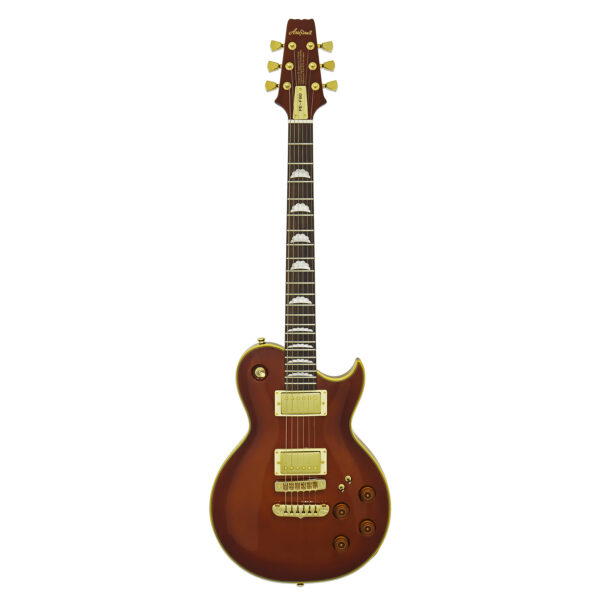
Figure 1: Aria PE-F80 Guitar featuring flamed maple aesthetic and flat-top ergonomic contouring.
Aria PE-F80 Guitar Technical Specifications
Factory-verified manufacturing metrics curated for procurement inspectors, retail luthiers, and commercial buyers.
| Product Nomenclature | Aria Pro II PE-F80 Solid Body Electric Guitar |
|---|---|
| Body Construction | Solid Okoume resonant core with Flamed Maple veneer top (Flat-top geometry with edge perimeter routing) |
| Neck Profile & Joint | Mahogany, slim-taper 'C' profile, featuring Aria Pro II signature Heel-less bolt-on/set-in cutaway architecture |
| Fingerboard Specifications | Rosewood or high-density engineered tech-wood, 22 Medium Jumbo nickel-silver frets, 305mm (12") radius |
| Scale Length | 628 mm (24-3/4 inches) optimized for balanced string compliance and tactile response |
| Nut Width & Material | 42 mm synthetic bone / graphite self-lubricating composite |
| Pickup Configuration | Dual Humbuckers: Aria Original Classic Power Alnico/Ceramic voiced units (Neck: 7.8kΩ / Bridge: 13.5kΩ) |
| Controls & Switching | 2 Master Volume, 2 Master Tone, 3-position heavy-duty toggle selector switch, premium potentiometers |
| Bridge & Tailpiece System | Aria SPT original Tune-O-Matic style bridge paired with QH quick-release stop tailpiece (Chrome or Black Nickel) |
| Tuning Machines | Cast sealed precision gear tuners with 16:1 gear ratio for superior micro-tuning stability |
| Hardware Compliance | Full CITES-exempt tonewood matrix; compliant with RoHS, REACH, and California Proposition 65 |
| Primary Target Segments | Commercial MI retail chains, independent dealers, touring backline operators, recording academies |
Weight Relief Optimization
The calibrated flat-top design balances body mass at approximately 3.4 kg, resolving physical fatigue complaints common among traditional single-cut platforms.
Aria Heel-Less Joint
Engineered without a blocky heel, granting effortless thumb relocation up to the 22nd fret, a historical trademark of Aria's guitar innovation.
Shielded Low-Noise Electronics
High-conductivity conductive paint in all pickup and control cavities reduces RF hum and stage interference for pristine studio tracking.
Future B2B Procurement Trends in the Electric Guitar Industry
How evolving macro trade dynamics, supply chain nearshoring, and changing consumer demographics shape inventory choices.
Eliminating Regulatory Friction at Customs
In international logistics, cross-border musical instrument shipments face heightened scrutiny under the Convention on International Trade in Endangered Species of Wild Fauna and Flora (CITES) and the US Lacey Act. In previous decades, guitars heavily utilizing Brazilian or East Indian Rosewood suffered extensive customs holds and complex re-export permitting hurdles. Today, procurement officers aggressively prioritize models like the Aria PE-F80 guitar, which purposefully deploy sustainable okoume, treated maple veneers, and modern density-compliant composite fingerboards. By completely circumventing Appendix II documentation, distributors can import 40-foot full container loads (FCL) directly into North American and European ports with zero regulatory clearance hold-ups.
Transition Away from Heavy Vintage Weight Archetypes
Data collected from touring players and retail point-of-sale systems demonstrate an accelerating shift toward lightweight, ergonomic single-cut guitars. Modern players frequently reject cumbersome 4.5kg+ vintage-style instruments in favor of instruments that perform flawlessly under stage lights. The flat-top architecture of the PE-F80 guitar responds to this demand by stripping away unnecessary bulk while retaining structural rigidity. Retailers stocking the PE-F80 capture the growing demographic of gigging artists who desire the vintage aesthetic of Aria Pro II's 1970s and 1980s catalog combined with the playability required for modern performances.
Preserving Dealer Margins in Price-Transparent Environments
With consumer price comparison tools and AI search summaries dominating buyer journeys, musical instrument retailers are squeezed by razor-thin margins on ubiquitous generic brands. In contrast, Aria Guitars operates a disciplined territory distribution structure. By introducing the Aria PE-F80 guitar into their inventory mix, dealers achieve sustainable 38% to 46% gross dealer margins. The distinctive aesthetic profile, proprietary heel-less joint, and authentic Japanese design heritage shield dealers from aggressive algorithmic price discounting.
Factory Standardization with GOTOH & Premium Components
Modern buyers look for instruments with predictable modification paths. Because Aria Guitars is the official export representative for GOTOH guitar parts, Aria instruments share precision factory tolerances and mounting post centers compatible with world-standard hardware. Distributors stocking the PE-F80 can upsell hardware upgrades directly from Aria’s inventory, maximizing lifecycle customer value across fretted instruments and hardware accessories.
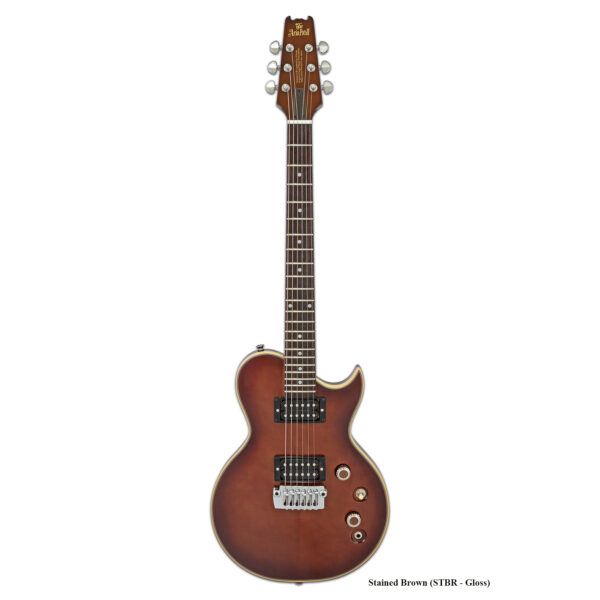
Figure 2: Aria Pro II PE-F1500, highlighting the evolving lineage of the PE Series.
The Evolution of the Aria Pro II PE Platform
The story of the PE (Protocaster Electric) begins in 1977, when Aria set out to design an original electric guitar silhouette capable of competing on the international stage. Rather than simply imitating existing shapes, Aria’s master luthiers introduced the sculpted heel-less neck pocket, an arched back, and contoured body carves. This innovative design rapidly earned accolades from international rock and jazz icons alike.
Over successive decades, the PE lineage branched outward. The flagship Platinum Collection Made in Japan upheld traditional archtop mastery with models like the PE-R100 and luxury models like the Aria PE-F1500 guitar. Concurrently, Aria realized the critical commercial need for an accessible, aggressive, and streamlined model: thus was born the Aria PE-F80 guitar.
The PE-F80 captures the vintage DNA—unmistakable headstock profiling, responsive dual-coil tone, and effortless upper register accessibility—while implementing state-of-the-art CNC precision and optimized finishing steps. It bridges seven decades of historic craftsmanship with the realities of contemporary mass-market supply chains.
Why Commercial Buyers Partner with Aria Guitars
Built upon seven decades of Nagoya craftsmanship, international logistics competence, and global artist endorsements.
70 Years of Japanese Heritage
Founded in Nagoya in 1956 by classical guitarist Shiro Arai, Aria has continuously driven guitar innovation across seven uninterrupted decades, safeguarding production standards through all market cycles.
Comprehensive Multi-Tier Catalog
From the handcrafted Made-in-Japan Platinum Collection to accessible Aria and Aria Pro II electrics, acoustics, classical models, and left-handed ranges, a single account covers your entire showroom catalog.
Official GOTOH & Augustine Partner
Aria acts as the official export agent for industry-benchmark GOTOH guitar parts and legendary Augustine strings, offering turnkey supply stability and authentic replacement hardware.
Rigorous Japanese QC Protocols
Whether produced in Japan or partner workshops, every production run is overseen by Japanese QA directors. String height, fret leveling, and finish curing are verified before outbound distribution.
Global Artist-Driven Demand
From Metallica's Cliff Burton and his iconic SB-CLB bass to contemporary touring artists across Europe, North America, and Asia, Aria remains at the epicenter of live music culture.
Historic Support Documentation
Our centralized Support Archive provides digital schematics, vintage wiring configurations, and historical manuals dating back to the 1970s, ensuring comprehensive post-sale retailer support.
Ready to discuss dealership territory allocations, container pricing, or sample evaluation units?
Contact UsFrequently Asked Questions: Aria PE-F80 Procurement
Clear, definitive answers to questions frequently queried by corporate buyers, institutional purchasing teams, and distributors.
What structural and sonic differences distinguish the Aria PE-F80 guitar from traditional carved-top PE models like the PE-R80?
How does Aria Guitars ensure batch-to-batch structural integrity for global containerized shipments?
What are the commercial lead times, minimum order quantities (MOQ), and shipping terms for Aria PE-F80 guitars?
Does the Aria PE-F80 guitar comply with international CITES wood trade regulations and Lacey Act requirements?
What after-sales parts support and technical documentation are available for B2B dealers carrying the PE-F80?
Inquire About Wholesale Distribution Allocations for the Aria PE-F80
Connect directly with our international export department to request current product linesheets, minimum order requirements, regional territory exclusivity terms, and logistical support.
Contact Us