Blog

How to Choose the Best Classical Guitars?

How to Choose the Best Classical Guitars?

Choosing the best Classical guitars is less about finding the most expensive instrument. It is about matching the guitar to your hands, music, and developing technique. A flamenco player may need a quick, bright response. A concert performer may prefer deeper sustain and wider tonal color. A beginner might value comfort above dramatic projection. Andrés Segovia, one of the most influential classical guitarists, famously described the instrument this way: “The guitar is a small orchestra. It is polyphonic. Every string is a different color, a different voice.” His observation still matters when comparing instruments. Listen for separation between voices, especially during a slow arpeggio. Examine the neck under natural light. Check whether the frets feel smooth and whether the strings sit comfortably beneath your left hand. Play before buying, if possible. A cedar top often responds quickly and warmly, while spruce can offer clearer attack and greater headroom. These tendencies are useful, not absolute rules. Wood age, construction, setup, and individual craftsmanship can change everything. That is where many simplified buying guides fall short. Small details matter. A guitar that looks flawless may feel tiring after twenty minutes. Another may show modest cosmetic imperfections yet produce a remarkably balanced tone. Experienced players should test volume, intonation, sustain, and dynamic control. New players should also seek advice from a qualified teacher or reputable luthier. No single model suits every musician. The best choice may reveal itself through honest playing, patient comparison, and a willingness to reconsider first impressions.
Read more »
Eliana By:Eliana - October 14, 2026
How to Choose Electric Bass Guitars for Global Buyers?

How to Choose Electric Bass Guitars for Global Buyers?

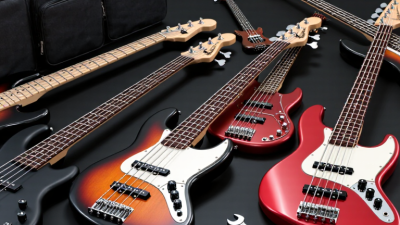
Choosing Electric bass guitars for global buyers requires more than comparing prices, colors, and famous brand names. A bass must survive shipping, climate changes, repeated rehearsals, and different playing styles. The right decision begins with measurable details: scale length, neck profile, pickup configuration, bridge stability, electronics, weight, and after-sales support. Industry reports show why this category deserves careful evaluation. Grand View Research’s Electric Guitar Market Size, Share & Trends Analysis Report identifies rising demand for versatile instruments, online purchasing, and beginner-friendly designs. Although its scope includes electric guitars broadly, its findings remain useful for bass retailers and importers. IMARC Group’s Electric Guitar Market report also highlights expanding digital sales channels and regional differences in consumer preferences. These reports do not provide identical forecasts. That matters. Market estimates depend on definitions, survey periods, and included product categories. Practical experience often exposes what spreadsheets miss. A heavy five-string bass may impress advanced players but discourage beginners after a long rehearsal. A glossy finish can look premium, yet reveal fingerprints quickly under store lighting. Buyers should request fret photographs, setup specifications, packaging tests, and warranty terms before ordering internationally. Fender’s State of Playing research has repeatedly emphasized expanding participation among newer and younger players, supporting demand for accessible instruments. Still, not every market wants the same neck width or tone. A careful buyer should compare regional feedback, supplier inspection records, and return data before committing. No single report can replace hands-on testing, honest specifications, and a realistic understanding of local musicians.
Read more »

Eliana By:Eliana - October 14, 2026
China Top 10 Japanese Electric Guitar Manufacturers

China Top 10 Japanese Electric Guitar Manufacturers

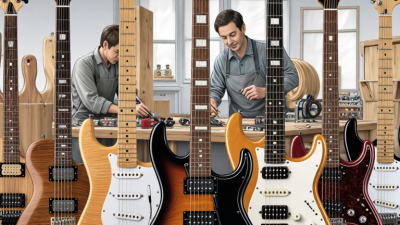
Japanese electric guitars occupy a distinctive place in the global musical-instrument market. Their story combines careful woodworking, reliable electronics, and decades of export experience. Brands such as Fujigen, ESP, Ibanez, Yamaha, and Tokai helped shape this reputation. Their workshops often resemble quiet laboratories, where fret edges, pickup cavities, and neck joints receive intense attention. Industry reports show continued demand for electric guitars worldwide. Grand View Research and IMARC Group both identify product quality, digital commerce, and musician participation as major market forces. Their estimates vary, however. That difference deserves caution. Market reports often combine guitars, accessories, and regional sales, making Japan-specific comparisons imperfect. The Japan Musical Instruments Association remains a more relevant reference for domestic manufacturing trends, although public category data is limited. Guitar historian Tony Bacon has written, “Japanese guitar makers have always been serious about quality.” This observation helps explain the sector’s development, but it should not become a simple slogan. Factory standards differ, and not every Japanese-made instrument delivers the same playing experience. A bright maple neck, tightly seated fret, or stable tremolo can matter more than a famous logo. This guide examines China’s top ten Japanese electric guitar manufacturers and their competitive strengths. It considers manufacturing heritage, design choices, quality control, export reach, and value. Some rankings remain debatable. That is useful. A serious comparison should leave room for inspection, not hide behind reputation.
Read more »
Eliana By:Eliana - October 14, 2026