A Cliff Burton signature bass can carry more than a familiar name. For many players, it recalls the striking sound and fearless performances that helped shape early Metallica. But a famous design is not automatically the right instrument for every bassist. Comfort, construction, and condition matter once the bass is in your hands.
Before buying, check exactly which model is being offered. Sellers may use “signature” loosely, so confirm the brand, model number, and specifications through reliable manufacturer records or reputable dealers. Look closely at the neck, frets, bridge, electronics, and finish. A bright showroom photo can hide worn frets or repairs. Ask for clear close-ups, a serial number, and service history when available. Then compare the asking price with similar instruments, including their condition and included accessories. Play it if you can. A bass may look perfect online and still feel awkward against your shoulder. Small details count: neck relief, pickup noise, and whether the controls turn smoothly. I once underestimated how much a heavy instrument could change a practice session. That was a useful lesson. This guide offers seven practical tips for weighing authenticity, playability, condition, and value before you commit. A careful choice may be less glamorous, but it is more likely to keep making music long after the purchase excitement fades.
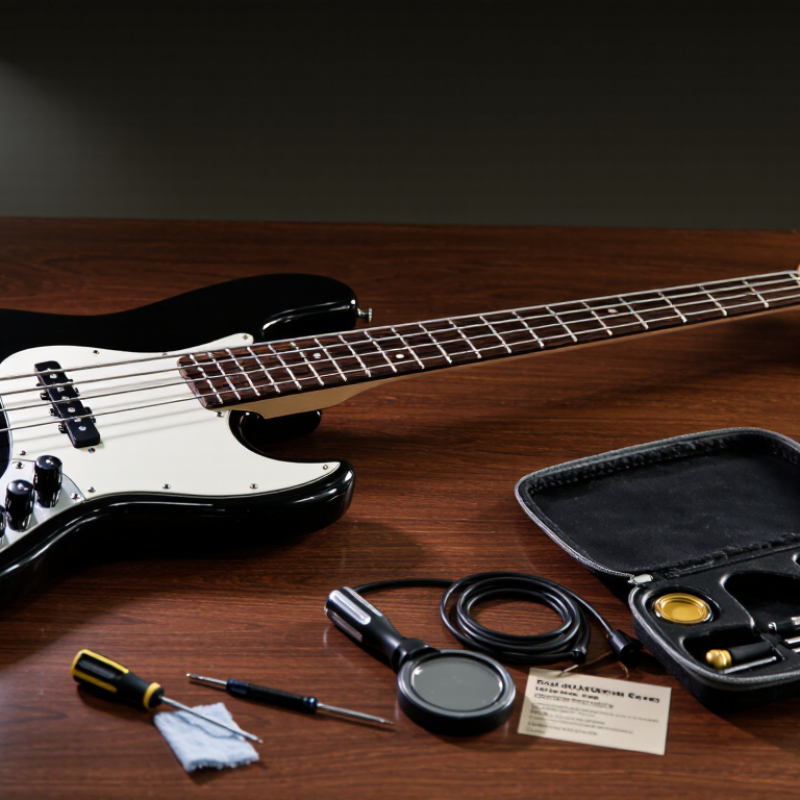
Identify the Cliff Burton Signature Bass Model and Its Key Features
A Cliff Burton signature bass is easiest to identify by its unusual silhouette and bold finish, but photos can hide important differences. Look for a neck-through construction, a long 24-fret fingerboard, and one prominent humbucking pickup. Many versions also include active electronics, though specifications can vary by release. Check the control layout and hardware against documented model specifications, not just a seller’s description. Small details matter.
The neck joint should appear continuous through the body, with no obvious seam at the heel. Inspect the pickup, bridge, fret ends, and control cavity for wear or replacement parts. A swapped pickup can change the sound and value. Ask for clear photographs of the serial information and electronics; compare them with reliable period references. I still find glossy photos misleading. In person, the bass’s balance and neck feel are easier to judge.
A NAMM industry report estimated U.S. music-product retail sales at $17.1 billion in 2022, but that broad figure does not establish this model’s resale value. For price context, use completed-sale records for comparable instruments, matching condition and edition. Be cautious when a listing treats every signature version as identical. Some details are easy to miss. The finish may look right, while the electronics or hardware tell another story.
Check the Bass’s Authenticity, Specifications, and Included Accessories
Tip 1: Verify the exact edition before judging authenticity. Signature instruments can differ across production years, so compare the serial number, headstock details, finish, and hardware with reliable model documentation. Ask for clear photos of the serial number and signature details. A receipt helps, but it is not proof by itself. Tip 2: Check the specifications against the listing. Confirm scale length, neck profile, pickup layout, controls, and body material. Small differences matter. A polished finish can distract from an incorrect part, so inspect close-up images carefully.
Tip 3: Ask what accessories are included and examine their condition. Look for the case, adjustment tools, strap, and any paperwork promised in the listing. Confirm that each item appears in the photos or is listed in writing. A missing tool may seem minor, but replacing it can add cost. Check the case lining for wear and the latches for a secure fit. Small details count.
Tip 4: Request a short playing test or recent video. Listen for crackling controls, uneven notes, and unwanted buzzing. Ask about repairs, modifications, and storage conditions. The answer may be incomplete; follow up on anything vague. Compare the instrument’s condition with its price, not just its signature status. If a detail feels unclear, pause before buying.
7 Tips for Buying a Cliff Burton Signature Bass
Check the bass’s authenticity, specifications, condition, and included accessories before you buy.
Each bar counts the specific checks listed for that tip in this buyer checklist. Confirm the instrument’s details against reliable documentation, and inspect it in person when possible.
Inspect Its Condition, Playability, and Setup
7 Tips for Buying a Cliff Burton Signature Bass
Tip: Inspect the neck and body under bright, even light. Look for cracks, deep dents, loose hardware, and uneven seams. Check the neck from the headstock toward the body. A slight bow may be adjustable, but a twist deserves careful attention. Don’t let a polished finish distract you. Ask about repairs, and remember that a tidy explanation is not proof of good work.
Tip: Test playability across the entire fretboard. Play each fret on every string, listening for buzzing, choking notes, or sudden changes in volume. Check whether the strings feel comfortable at the first and last frets. Run your fingers along the fret ends; sharp edges can become irritating during longer sessions. Small details matter. If possible, bring a familiar strap and play standing up. A bass can feel very different after ten minutes.
Tip: Examine the setup before judging the instrument. Check tuning stability, bridge adjustment, pickup height, and control response. Turn each knob slowly and listen for crackling or dropouts. Ask what string gauge is installed, since a different gauge can affect neck relief and intonation. Listen closely. A poor setup can often be corrected, but don’t assume every problem is minor. I’d take notes, compare them after a second visit, and admit that first impressions can be misleading.
Compare Prices, Seller Reputation, and Warranty Coverage
Before comparing prices for a Cliff Burton signature bass, match the details: condition, included case, setup work, and documented repairs. A lower asking price may reflect worn frets or missing parts, not a bargain. Check several completed sales, not just active listings, and compare shipping and return costs. Keep records. The National Retail Federation and Appriss Retail estimated that 16.9% of U.S. retail sales were returned in 2024. That broad figure is not specific to instruments, but it shows why a clear return policy matters when buying online.
Look beyond star ratings. Read recent reviews for specific signs of careful packing, accurate descriptions, and timely replies; ask for clear photos of the neck, bridge, and any damage. The FTC’s Consumer Sentinel Network Data Book reported 2.6 million fraud reports in 2023, a reminder to verify a seller and use a payment method with dispute support. Ask for warranty terms in writing, including duration, covered parts, repair process, and exclusions. Check whether coverage transfers to a later owner. A warranty that sounds generous may exclude normal wear, so read the fine print before paying. I’d pause if the seller avoids simple questions. A little awkward, perhaps, but safer than guessing.
Test the Bass and Confirm the Purchase Details Before Buying
Before buying a Cliff Burton signature bass, test it standing up and seated. Check whether the body pulls forward or the neck feels tiring after several minutes. Play each fret on every string, listening for buzzes, dead notes, and uneven volume. Try the controls quietly, then at rehearsal-level volume. Small faults can hide under distortion.
Inspect the neck under good light. Look for cracks, loose hardware, worn frets, and repairs around the headstock and bridge. Ask to see the instrument’s serial information and any available purchase or service records. Confirm exactly what is included, such as the case, strap, and accessories. Get the final price, return window, and any written condition promises in writing. Don’t rely on a hurried verbal assurance.
NAMM’s 2023 Global Report estimated U.S. music-product retail sales at $17.4 billion in 2022. That broad figure describes a large market, not the condition or value of one bass. A careful hands-on test still matters. Take a tuner, use your own cable if possible, and photograph any existing damage before payment. I’d also leave time for a second play-through; excitement can make a rough fret or noisy control easy to miss.
FAQS
Use bright, even light. Look for cracks, deep dents, loose hardware, and uneven seams. A twisted neck needs careful attention.
Play every fret on each string. Listen for buzzing, choking notes, or sudden volume changes. Small details matter.
Yes, if possible. Bring a familiar strap and play for several minutes. The bass may feel different after ten minutes.
Check tuning stability, bridge adjustment, pickup height, and control response. Turn each knob slowly and listen for crackling or dropouts.
Some setup issues are adjustable, but not every problem is minor. Note what you find and compare it during another visit. First impressions can mislead.
Compare condition, case, setup work, and documented repairs. Check completed sales, plus shipping and return costs. A low price may reflect worn frets or missing parts.
Read recent reviews for specific packing and communication details. Request clear photos of the neck, bridge, and damage. Pause if simple questions go unanswered.
Check its duration, covered parts, repair process, and exclusions. Ask whether coverage transfers to another owner. Fine print can change the picture.
Conclusion
Buying a Cliff Burton signature bass starts with identifying the correct model and understanding its defining features, such as its body shape, pickup configuration, hardware, and finish. Compare the instrument with reliable model specifications, and check that its serial information and included accessories are consistent with what the seller claims. Clear photos and detailed answers can help resolve questions before you make a trip or send payment.
Next, inspect the bass for damage, wear, and signs of poor repairs, then assess its neck, frets, electronics, and overall playability. A suitable setup matters, so test the instrument if possible and listen for unwanted noise or inconsistent output. Compare the asking price with similar instruments, consider the seller’s reputation, and clarify any warranty or return coverage. Before completing the purchase, confirm the final price, included items, condition, and delivery or pickup arrangements in writing.