
Explore high-grade fretted components, acoustic systems, and precision performance hardware curated for global distributors, OEM brand owners, and educational wholesalers.
Modern classical guitar string procurement has transformed from rudimentary polyamide winding into high-molecular-weight chemistry and micro-calibrated metallurgy. Understanding the thermodynamic stability of polyamide (Nylon 6, 6/6, 12) versus Polyvinylidene Fluoride (PVDF fluorocarbon) determines intonation consistency, tensile creep, and sustain profiles for international brands.
Standard classical strings utilize extruded Nylon 6:6. Leading Chinese facilities utilize diamond-die extrusion and multi-axis laser micrometer feedback to maintain roundness tolerances of ±0.005mm. Rectified crystal nylons undergo precision mechanical micro-buffing to eliminate longitudinal surface ridges, ensuring pure harmonic overtones and eliminating discordant beating frequencies.
High-density fluorocarbon (PVDF) trebles deliver up to 35% higher acoustic velocity and greater brightness than traditional nylon, with zero hygroscopic expansion in variable humidity. In parallel, titanium polyamide blends integrate high-rigidity polymer dopants to enhance longitudinal elasticity, generating immediate transient tactile response for modern concert performers.
Wound bass strings (E6, A5, D4) rely on high-tenacity multi-filament synthetic nylon cores composed of thousands of micro-denier strands. Chinese precision winding machines regulate dynamic tension during wire feed, preventing inter-strand void displacement. This structural cohesion prevents premature tuning decay under aggressive concert tension.
Chinese export mills produce oxygen-free copper (OFC) wrapped in 99.9% pure silver plating or 80/20 bronze alloys. High-speed electroplating controls silver thickness between 15 to 30 microns, achieving warm fundamental projection while reducing finger squeak through microscopic polishing and automated winding traverse control.
Tropical humidity accelerates copper sulfide oxidation. Advanced Chinese string exporters employ sub-micron polymer vapor deposition and dip-coatings that protect the bass wrap wire without damping natural vibrations. Strings maintain their bright, uncolored tone for up to 3 to 5 times longer on retail shelves and concert stages.
Procurement failures often stem from maritime container condensation. Tier-1 Chinese suppliers use automated VCI (Vapor Corrosion Inhibitor) foil pouches purged with inert nitrogen, ensuring that nylon elasticity and silver wrap metallurgy remain factory-fresh across multi-week shipping routes.
Inheriting Japanese craftsmanship standards honed since 1956, our facilities combine heritage acoustic design with modern Chinese manufacturing scale, OEM responsiveness, and rigorous quality control.
Founded in Nagoya, Japan in 1956 by classical guitarist Shiro Arai, our DNA has always put player feel and musical expression first. Every string specification, core tension curve, and wrapping ratio is rooted in decades of professional luthier and instrument testing.
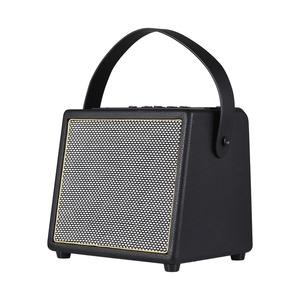
We serve as the official export hub for legendary industry partners such as GOTOH guitar machine heads and Augustine classical strings, while producing the world-renowned Pignose portable amplifiers. Our credibility is validated by leading musicians across 65 nations.
From custom tension grading (Light, Normal, Hard, Extra-Hard) and bespoke ball-end or tie-end terminations to tailored retail box printing and private-label foil envelopes, we offer rapid prototyping and low MOQ barrier testing for international catalog expansion.
Key supply chain insights, sustainability dynamics, and market projections shaping B2B fretted instrument procurement over the next five years.
Escalating European and North American carbon compliance is pushing string makers toward 100% bio-based polyamide derived from non-food castor oil feedstocks, reducing cradle-to-gate polymer footprints by 45% while preserving classical warm elasticity.
The rapid expansion of nylon-string acoustic crossover and thinline guitars in jazz, pop, and bossa nova styles requires hybrid string tensions: carbon G-3rd trebles paired with ultra-stabilized silver-wound basses to accommodate lower string action and piezoresistive pickups.
Supply chains are transitioning from non-recyclable multi-laminate metallized plastics to mono-material PE and biodegradable plant cellulose envelopes, allowing distributors to avoid plastic tax penalties in the European Union and the UK.
B2B buyers increasingly require real-time digital batch certificates verifying tensile yield curves, silver plating micro-thickness, and diameter variance via automated laser micrometer testing, dramatically reducing warranty and returns risk.
For decades, European and American boutique brands dominated the premium classical string tier, while Asian production was restricted to basic entry-level starter sets. However, major infrastructure investments across industrial centers in Guangdong and Zhejiang have upended the global musical supply hierarchy. Today, automated German winding machines, precision Japanese extrusion tooling, and state-of-the-art metallurgical testing facilities enable leading Chinese factories to produce nylon strings that rival or exceed traditional Western benchmarks at a 40–60% competitive cost advantage.
As a modern brand owner or musical merchandise distributor, selecting the right manufacturing partner requires evaluating three fundamental core pillars:
By coordinating end-to-end production with our specialized manufacturing centers, international brands can streamline inventory lead times, customize individual string tensions across bespoke sets, and realize substantially higher margin yields.
Critical technical, logistics, and private-label manufacturing answers for international distributors, wholesalers, and retail chain buyers.
Partner with China's leading nylon guitar string manufacturer and exporter. Request complete physical sample kits, custom tension charts, private-label packaging mockups, and wholesale tier pricing.