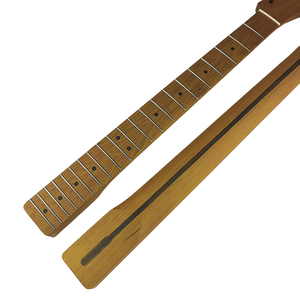

The definitive guide for international distributors, music brand retailers, and volume sourcing managers navigating CNC precision luthiery, tonewood drying compliance, and global OEM supply chains.
Sourced by premier worldwide distribution brands. Our direct-factory export capabilities range from individual master-grade tone woods and neck profiles to turnkey boutique archtop jazz builds and high-impedance custom pickups.
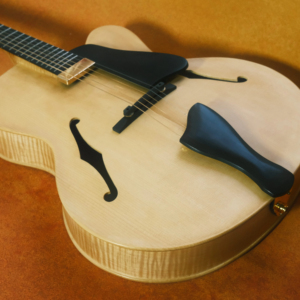
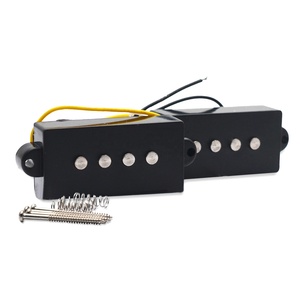
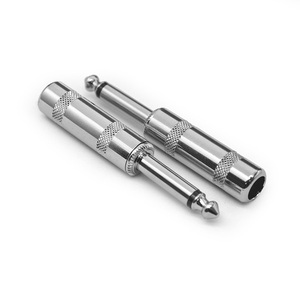
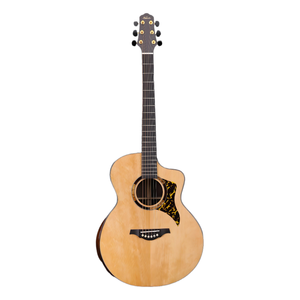
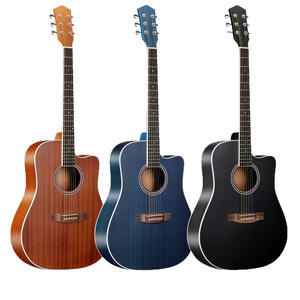
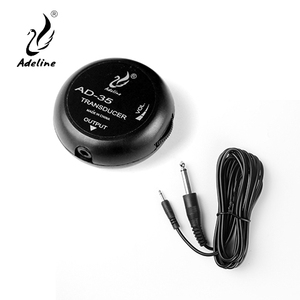
Inheriting 70 years of Japanese production planning philosophy established since Nagoya 1956, our Chinese manufacturing facilities bridge master luthier carving traditions with ISO9001 precision-automated multi-axis CNC routing.
Equipped with automated RF vacuum kilns and climate-controlled resting vaults, ensuring stable Canadian tiger flame maple, African mahogany, and Sitka spruce tonewoods achieve an optimal 6%–8% equilibrium moisture content (EMC), completely preventing post-export neck warp or fret-sprout in volatile Western retail climates.
Operating under standard operating procedures modeled after the Aria & Aria Pro II technical guidelines. Every neck pocket tolerance is held within ±0.03mm. Automated neck tension simulators and master luthier fret dressing guarantee low action without buzz directly out of the transit packaging.
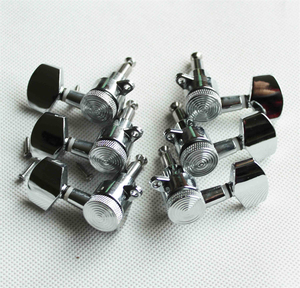
Factory-direct strategic alliances supplying premium hardware appointments including genuine GOTOH machine heads, Augustine strings, and customized OEM P-Bass and Alnico-V pickup windings, eliminating supply friction for western guitar distributors looking for turn-key stage-ready instruments.
Wholesale musical instrument procurement has pivoted dramatically from raw price competition to high-durability sustainable materials, strict regulatory traceability, and integrated digital boutique configurations.
B2B buyers face stringent lace-wood import checkpoints. Modern OEM orders leverage roasted (torrefied) maple necks and technical wood composites (Black Richlite fingerboards), eliminating CITES annex-II certifications while delivering superior structural immunity against seasonal shifts.
Driven by modern metal and progressive recording artists (such as demand for Cliff Burton styled punch and modern 7/8 string djent profiles), supply lines have integrated fanned-fret designs, compound 10-16" fretboard radiuses, and bespoke high-gain split-coil humbuckers as standard OEM selections.
With international VOC environmental restrictions tightening, suppliers deploy electrostatic ultra-thin UV-cured poly coatings that allow tonewood breathing akin to vintage nitrocellulose finishes, reducing production cycle times from 21 days down to 48 hours without lacquer sinking.
Forward-looking retailers no longer tolerate massive 500-unit single SKU container commitments. Utilizing high-speed 5-axis CNC cutters, our facilities enable split orders across various finishes and body specs with minimum test runs as low as 30 to 50 instruments per production cycle.
| Procurement Factor | Traditional Chinese Wholesale (Commodity) | Our Precision Japanese-Standard OEM Facilities | Strategic Value for Overseas Brands |
|---|---|---|---|
| Wood Moisture Management | Open-air natural drying (12%–16% EMC), high risk of body crack. | Computer-controlled RF kiln drying + 90-day aging (6%–8% EMC). | Virtually 0% warranty returns from cold/dry target markets (North America/Nordics). |
| Fret Dressing & Action | Manual wire-clipping; rough fret crowns with edge bite. | CNC semi-hemispherical ball-end dressing + Plek leveling verification. | Immediate out-of-the-box playability; zero local tech setup expense for distributors. |
| Hardware & Electronics | Unbranded zinc alloy die-cast bridges; microphonic unpotted coils. | Genuine GOTOH export tuners, Alnico magnets, CTS-grade brass potentiometers. | Certified stage and studio reliability that satisfies touring artists and reviewers. |
| Regulatory & Packaging | Standard 5-ply cartons, inconsistent drop-test durability, generic labeling. | Drop-test certified ISTA-3A honeycomb packing, full Lacey Act & REACH compliance. | Seamless customs clearance, low ocean freight damage, direct-to-retail distribution ready. |
Direct answers to mission-critical questions posed by musical instrument purchasing directors, private-label brand founders, and musical hardware logistics specialists.