
Integrated supply chain solutions combining commercial-grade display fixtures, high-precision guitar hardware, and hand-finished electric and acoustic string instruments manufactured to stringent Japanese inspection standards.

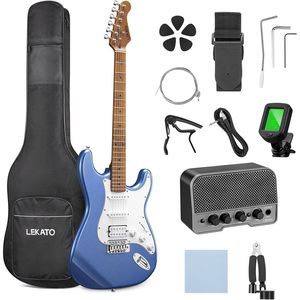
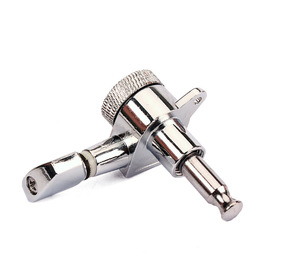
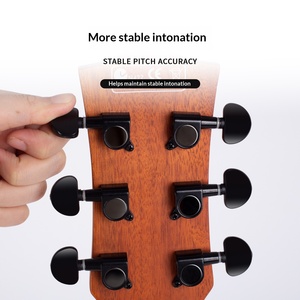
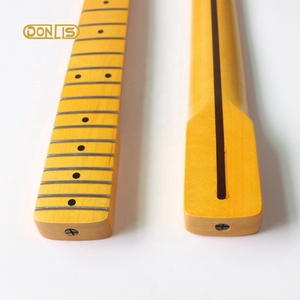
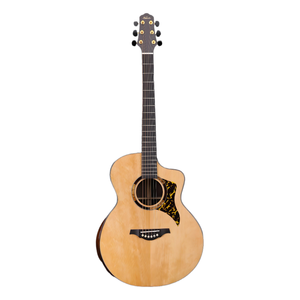
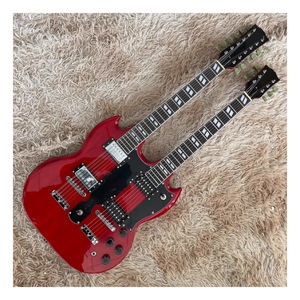
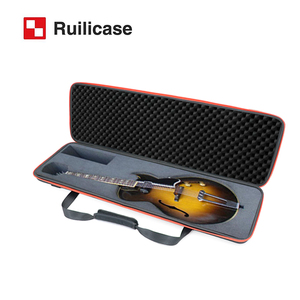
Rooted in Nagoya craftsmanship since 1956, our production ecosystem combines historic Japanese quality control protocols with scaled Chinese advanced manufacturing, supplying Tier-1 retail chains and premier global instrument brands.
Directly adapted from Aria's Platinum Collection protocols, each batch of stands, brackets, and fixtures undergoes rigorous static load-bearing, weld seam stress tests, and automated robotic drop certifications.
We utilize cold-rolled SPCC tubular steel and extruded 6061 aviation-grade aluminum alloy, reinforced with dual-axis robotic TIG welding and scratch-resistant thermosetting electrostatic powder finishes.
As trusted partners handling high-end Gotoh hardware, Augustine strings, and Pignose amplification components, our export logistics optimize sea-freight packaging densities and flat-pack cubic meter (CBM) ratios.
All elastomeric cradle cushions, EVA coatings, and silicone interfaces are 100% free from destructive monomer plasticizers, compliant with RoHS, REACH SVHC, and California Proposition 65 directives.
Traditional wholesale guitar stands rely heavily on low-density ethylene-vinyl acetate (EVA) or unvulcanized synthetic PVC foam. While cost-effective, these polymer compounds contain volatile monomeric plasticizers—such as dioctyl phthalate (DOP)—which migrate continuously into instrument lacquers over extended periods.
When high-end nitrocellulose-finished guitars (such as custom shop solid bodies, vintage reissues, and handcrafted master acoustics) are displayed on non-compliant stands, a thermodynamic plasticizer exchange takes place. The synthetic softeners dissolve the delicate nitrocellulose matrix, causing irrevocable chemical discoloration, melting, and clouding at the neck and base contact junctures.
| Cushioning Material | Plasticizer Leaching | Nitro Finish Safe | Shore A Durometer |
|---|---|---|---|
| Standard PVC / Nitrile | Severe (>2.8%) | Hazardous | 35 - 45 A |
| Standard EVA Foam | Moderate (~1.2%) | Unstable | 40 - 50 A |
| Cross-Linked Polyolefin | Zero Leaching | Verified Safe | 50 - 55 A |
| Liquid Silicone (LSR) | Chemically Inert | Certified Safe | 45 - 60 A |
| Natural Vulcanized Cork | Zero Leaching | Premium Safe | 65 - 75 A |
*Data derived from ISO 177 determination of migration of plasticizers in high-temperature simulation.
A comprehensive technical comparison to guide international category managers, retail fixture purchasers, and procurement agents in selecting optimal display systems.
| Display Stand Architecture | Primary Metallurgy | Rated Static Load | Locking Mechanism | Container CBM (1,000 Pcs) | Ideal Application |
|---|---|---|---|---|---|
| Gravity-Lock Auto-Yoke Wall Hanger | Reinforced Nylon PA66 + SPCC Steel | 15.0 kg (33 lbs) | Gravity Cam Auto-Closure | 1.85 CBM | Retail wall optimization, showroom slatwalls |
| Collapsible A-Frame Universal Stand | SPCC Cold-Rolled Carbon Tube (1.2mm) | 22.5 kg (49.6 lbs) | Stepped Width Positioning Pin | 2.40 CBM | Stage gigging, consumer retail boxed sales |
| Tri-Head Multi-Instrument Carousel | Heavy-Duty Steel Base + Cast Zinc Hub | 45.0 kg (99.2 lbs) | Rotational Friction Dampened Cam | 4.60 CBM | Flagship musical instrument boutique showrooms |
| 5-Slot Studio Multi-Guitar Rack | Square Section Steel Tubing (25x25mm) | 60.0 kg (132.3 lbs) | Quick-Fold Thumb-Screw Latch | 7.20 CBM | Recording studios, orchestral pits, collector vaults |
| Modular Slatwall Aluminum Extrusion Rail | Anodized 6063-T5 Structural Aluminum | 120.0 kg / Meter | Quick-Release Security Clamp | 1.20 CBM / 100m | Turnkey retail chain buildouts & trade show booths |
How global consumer preferences, retail square-footage economics, and logistics inflation are redesigning the manufacturing specifications of commercial instrument displays.
With commercial real estate leasing costs increasing across North America and Europe, retailers are migrating from single floor stands to angled 5-to-9 instrument display systems. Modern designs incorporate telescoping offset neck retainers that prevent headstock collision while reducing retail floor footprint by over 42% per unit displayed.
Flagship showrooms demand interactive retail fixtures. Next-generation wholesale guitar displays are being manufactured with integrated 3000K-4000K CRI>95 micro-LED light channels and concealed 5V/12V wiring routing. Specialized smart hubs incorporate inductive anti-theft sensors and digital hygrometer modules to alert staff of humidity drops in real time.
Ocean freight volatility has made container space optimization paramount. Factory R&D teams are heavily investing in proprietary push-button spring-detent assembly joints. By eliminating welded non-folding angles, volumetric packaging dimensions are reduced by up to 55%, enabling importers to pack over 4,800 retail-ready units inside a single 40ft HQ container.
When vetting Chinese export manufacturers for contract metal fabrication and instrument display assembly, overseas procurement officers must mandate third-party lab documentation and in-line factory verification covering three critical physical stages:
X-ray weld penetration testing and microscopic metallurgical cut analysis ensuring zero pinhole voids in SPCC tubular joints. Cold burst tensile strength must surpass 150% of nominal rating.
Automated pneumatic actuator rigs running 50,000 cycles on auto-lock gravity yokes and spring hinges. Retaining springs must maintain 98% initial tension without mechanical hysteresis.
ASTM B117 neutral salt spray exposure for 48 continuous hours without blistering or rust creep along powder-coated seams. Rubber contact pads tested under UV-A radiation for 120 hours.
ISTA-1A certified drop tests in master export carton packaging. Simulating rough intermodal transit across 10-point drop orientations to guarantee zero hinge misalignment upon port delivery.
Direct technical and operational answers to common inquiries encountered when negotiating factory-direct wholesale orders from China.
Partner directly with China's premier manufacturer and exporter of precision guitar display stands, wall mounting systems, and turnkey retail infrastructure. Get factory-direct wholesale pricing, OEM engineering consultation, and comprehensive compliance documentation.