
The Engineering Complexity of Authentic Left-Handed Guitar Manufacturing
In traditional stringed instrument export channels, left-handed instruments have often been treated as an afterthought—simple mirror routings on right-handed bodies or reversed nut assemblies. This rudimentary approach severely damages playability, intonation, and market viability. As an elite OEM/ODM manufacturing exporter, we examine why true left-handed production requires comprehensive redesign from raw blank curing to electrical taper matching.
True left-handed acoustic instruments require mirrored top-bracing architectures. Scalloped X-bracing distributes low-frequency tension along the bass bar, which must run beneath the low-E string on the player's upper side. Merely swapping the nut on a standard acoustic tilts the bridge saddle in the wrong direction, rendering accurate intonation impossible across the 12th to 14th fret octaves. Furthermore, our electric left-handed models utilize genuine reverse-audio taper potentiometers (C-curve), preventing the abrupt volume on/off switches that frustrate southpaw musicians using flipped right-handed volume pots.
Mirrored Acoustic Bracing
Structural bracing profiles cannot be symmeterized without acoustic dampening. We mill mirrored Sitka spruce bracing bars matched specifically to sustain lower bass register vibrations on the left boundary while stiffening the treble zone for sparkling projection.
Dedicated Neck Ergonomics
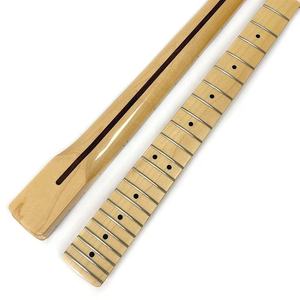
Asymmetrical neck profiles (such as modern C-to-D carve variations) must be re-profiled for the left thumb position. Our multi-axis CNC machines cut inverted fingerboard radii and accurately oriented fretboard side dots for authentic orientation comfort.
Reverse Phase Electronics
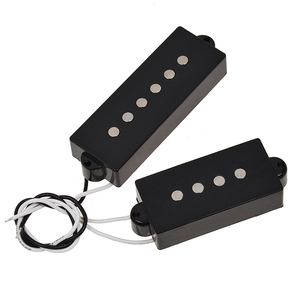
From staggered Alnico V magnet pole-pieces matching left-handed string gauges to anti-clockwise rotational audio tapers, our electronic cavities avoid microphonic interference and ensure dynamic volume swell sweeps.