
Years of Luthier Heritage
Super Long-Scale Low-B Articulation
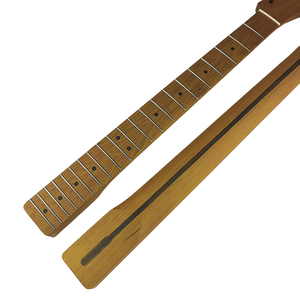
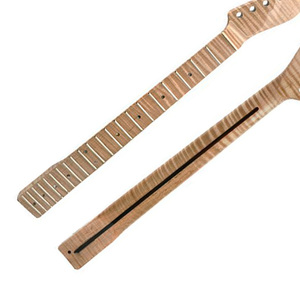
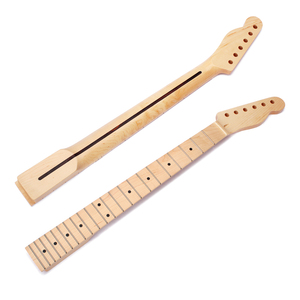
CNC Fret Slotting Precision
AQL Mil-Spec Seasoned Tonewoods
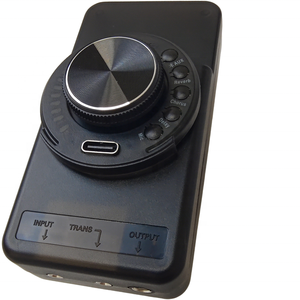
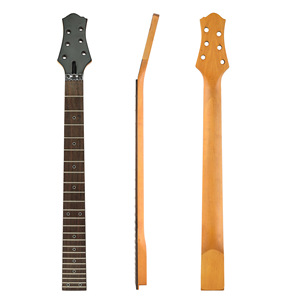
Examine our production-ready sub-assemblies, precision neck profiles, active transducers, and custom tonewood platforms built for high-performance four-string and extended-range five-string builds.
Building on Nagoya’s storied tradition since 1956, our factory integrates Japanese master-luthier inspection methodologies with advanced volume CNC manufacturing and strict export logistics.
Founded by classical luthier Shiro Arai in Nagoya, Japan, our manufacturing DNA merges classic neck carve stability with performance-tier solid body architecture verified across the legendary Aria Pro II SB Series.
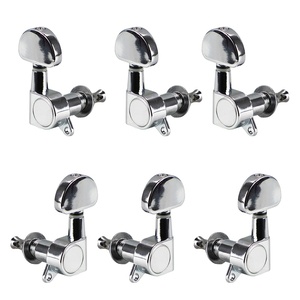
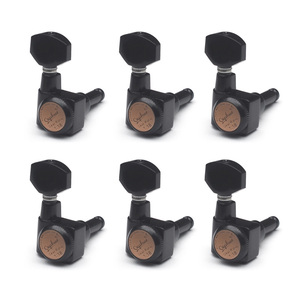
Direct integration with industry-standard hardware leaders—serving as direct distribution and OEM partners for GOTOH Japan hardware and Augustine strings to deliver uncompromised tuning resilience.
All hardwood blanks undergo 24-month natural equilibrium seasoning complemented by multi-stage vacuum kiln moisture monitoring (stable 7%–9% MC) ensuring zero neck wrap under trans-oceanic freight conditions.
For high-volume musical instrument distributors, sourcing a five-string electric bass presents engineering hurdles far more severe than four-string units. The physical tension exerted by a heavy gauge .125–.135 low-B string adds roughly 35–45 lbs of asymmetric dynamic torque across the neck joint. Without proprietary multi-ply structural lamination, carbon fiber stabilization rods, and balanced density neck timbers, standard instruments suffer from fret buzzing, dead-spot resonance around the 5th to 7th frets, and poor harmonic output in the sub-60Hz register.
Our OEM/ODM plants address this via multi-laminate neck designs (such as 5-ply Canadian hard rock maple spliced with mahogany, walnut, or purpleheart strips). Combined with dual-action high-tensile steel truss rods and dual carbon stiffeners, our necks preserve structural alignment across dry continental conditions or high-humidity tropical retail zones.
Compare our production configurations for commercial brands, custom-shop lines, and global distributor catalogs.
| Spec Parameter | Commercial Tier (Aria Series) | Pro Touring / Stage Spec (SB & RSB Series) | Platinum Flagship (Made-In-Japan OEM) |
|---|---|---|---|
| Scale Length | 34" (864mm) Standard Scale | 34" or 35" (889mm) Extended Low-B Scale | 35" Super Long or Multi-Scale / Fanned Fret |
| Neck Construction | 1-Piece Quarter-Sawn Hard Maple | 5-Ply Maple/Mahogany Laminate with Carbon Rods | 7-Ply Multi-Laminate Neck-Through-Body Construction |
| Body Tonewoods | Lightweight Alder / Basswood | Selected Swamp Ash, Okoume or Carved Alder | Bookmatched Flame Maple Top with Sen / Premium Walnut Core |
| Pickups & Preamp | Dual Ceramic Soapbar, Passive 2-Band | Alnico V Split/Soapbar with 3-Band Active EQ & Mid Switch | Custom Hand-Wound Dual Coils with 18V Headroom Preamp |
| Bridge & String Spacing | Die-Cast High Mass (18mm Spacing) | Heavy-Duty Monorail Saddles (18mm or 19mm Adjustable) | Solid Milled Bell Brass / GOTOH Custom (19mm Spacing) |
| Fretwork & Dressing | Nickel Silver, Automated CNC Radius | Medium Jumbo 18% Nickel, Hand-Crowned Edges | Cryogenic Stainless Steel Frets with Spherical Ball-End Polish |
Key market transitions dictating how international buyers, brands, and retail chains will tender OEM/ODM manufacturing contracts over the next decade.
Traditional 34" scales are rapidly shifting toward 35" and 34"-to-37" multi-scale (fanned fret) geometries. Contemporary bassists tuning down to Drop-A or F# demand string tension parity without requiring ultra-heavy gauge strings that damp high overtone clarity.
Stringent Lacey Act and CITES regulations demand completely certified timber supply chains. Procurement is shifting towards thermo-treated (roasted) maple and eco-sustainable fretboard alternatives such as Blackwood Tek, Techwood, and composite ebony.
With modern bassists plugging straight into virtual digital amp modeling devices and IR loaders during touring and studio tracking, the demand for 18V preamps with -95dB signal-to-noise ratios and discrete low-mid/high-mid sweeps has become standard OEM criteria.
B2B importers and private-label distributors must prioritize manufacturers capable of supporting short-run customization (agile batch production) without ballooning unit costs. In response to global shipping volatility, forward-thinking brands partner with factories that supply both complete instruments and pre-radiused, precision-slotted bolt-on assemblies (such as our 22-fret and 24-fret maple neck programs) to allow localized domestic assembly and final setup near target consumer zones.
From early 1970s boutique experimentations to standardized arena concert performance gear: how neck joints, scale length, and electronics evolved.
Original 5-string models merely squeezed a fifth tuning peg onto existing 4-string headstocks and widened nuts on standard 34-inch necks. The resulting low-B strings suffered from weak tension, muddiness, and excessive lateral oscillation.
The 1980s and 1990s introduced active preamps, high-density zinc/brass bridge assemblies, and specialized pickups capable of capturing frequencies down to 30.87 Hz without magnetic pull dampening string vibration.
Today’s instruments feature deeply sculpted neck heels, compound fingerboard radiuses (10" to 16"), graphite internal reinforcements, and multi-scale fret angles that align with natural human wrist biomechanics.
Everything you need to know about lead times, custom OEM/ODM parameters, sample runs, compliance, and QC inspection protocols.
Whether expanding your distributor catalog, launching a high-spec modern 5-string line, or sourcing precision OEM necks and hardware, our technical engineering team is ready to review your specifications and blueprints.