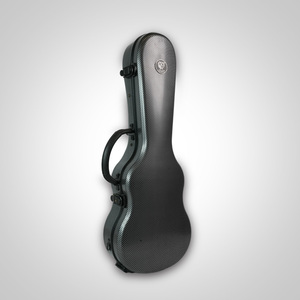

Explore our core OEM/ODM production matrices: reinforced carbon fiber composites, high-rigidity ABS thermoformed shells, vacuum-molded fiberglass, and multi-density high-impact EVA cases built for international brands, distributors, and bulk purchasers.
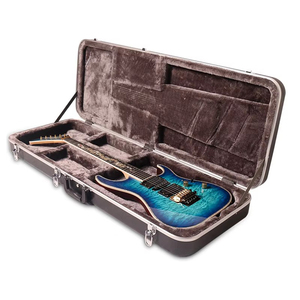
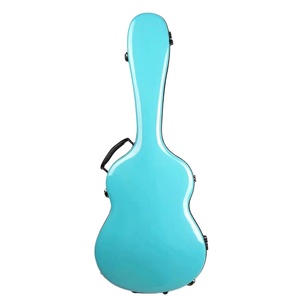
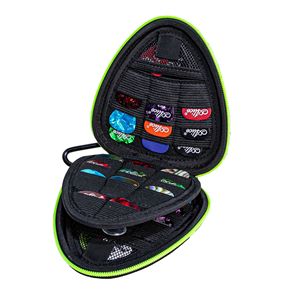
A technical examination of instrument enclosure engineering, lifecycle mechanics, supply chain risk mitigation, and commercial manufacturing requirements for enterprise distributors.
In musical instrument logistics, protecting high-value luthiery is fundamentally a mechanical energy absorption and dispersion challenge. High-end solid wood instruments—such as hand-crafted spruce top classical guitars or flame maple solid-body electric guitars—are exceptionally sensitive to concentrated kinetic impacts and atmospheric fluctuation. Standard wood-core ply cases, while traditional, pose substantial weight penalties and inconsistent moisture resistance during intermodal sea freight. Modern OEM/ODM manufacturing has transitioned decisively toward engineered composite matrices: thermoformed Acrylonitrile Butadiene Styrene (ABS), compression-molded high-density Ethylene-Vinyl Acetate (EVA), hand-laminated fiberglass, and aerospace-grade autoclave cured carbon fiber.
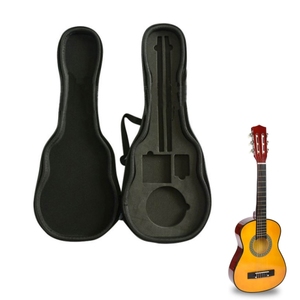
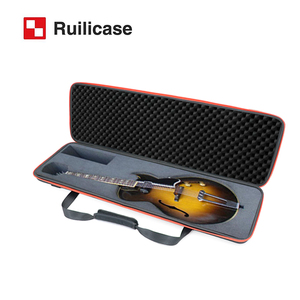
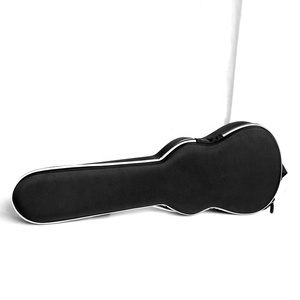
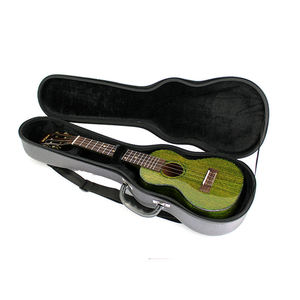
Thermoformed ABS enclosures leverage cross-linked rubber polybutadiene phases within a rigid styrene-acrylonitrile copolymer matrix, delivering exceptional IZOD impact resistance and environmental stress-crack protection. Internally, multi-axis CNC routed expanded polystyrene (EPS) or high-resilience polyurethane (PU) foam blocks are married to soft crushed micro-velvet liners. This configuration prevents deceleration shock transfer to critical instrument failure zones, most notably the 14-degree headstock break angle and the heel-joint junction. For ultralight touring demands, compression-molded 75D-85D EVA hard-shell cases bridge the gap between heavy hardshells and gig bags, offering water-impermeable exterior skin bonding (such as 1680D ballistic nylon) that withstands vertical torsional pressures exceeding 120 kg.
The procurement horizon for multinational musical instrument brands and tier-one distributors is experiencing rapid systemic transformations. B2B purchasing executives are no longer evaluating hard case suppliers strictly on Ex-Works (EXW) unit pricing; total procurement calculus now centers on volumetric shipping efficiencies, circular material compliance, and integrated hardware reliability.
First, with unpredictable ocean freight rates and strict TEU (Twenty-foot Equivalent Unit) volume optimization, nesting design and stackable exterior shell geometry have emerged as decisive purchasing criteria. Cases manufactured with tongue-and-groove extruded aluminum valances engineered with matching male-female stacking locators prevent load slippage and maximize carton-less container loading densities by up to 22%. Second, global environmental regulations—such as EU REACH, RoHS 3, and California Proposition 65—demand certified low-VOC bonding adhesives and toxin-free foaming agents, eliminating toxic chemical off-gassing that could otherwise tarnish guitar nitrocellulose lacquer or corrode gold-plated GOTOH tuners during long-distance oceanic transit.
Looking forward, guitar hard cases are evolving from passive shock barriers into active microclimate stabilization sanctuaries. High-end touring musicians and high-value collectors are demanding real-time interior data integrity. OEM development is aggressively integrating hermetic EPDM silicone perimeter gaskets that ensure an IP67 water and dust ingress rating, capable of maintaining positive atmospheric pressure during air travel cargo holds via integrated automatic pressure-equalization release valves.
Furthermore, next-generation ODM production lines are actively incorporating embedded low-energy IoT (Internet of Things) telemetry modules. Discreetly molded into interior accessory compartments, these calibrated sensor suites track internal relative humidity (RH) and ambient thermal variances across supply chain milestones, alerting owners via smartphone interface before RH falls below critical thresholds (38% RH) where acoustic soundboards risk tension-induced cracking. Hardware components are concurrently advancing: TSA-recognized latching mechanisms, powder-coated zinc-alloy die castings, and reinforced ergonomic carry handles engineered for high dynamic tensile endurance over millions of cyclic stress iterations.
Rooted in Japanese craftsmanship and heritage since 1956, our contract manufacturing facilities marry seven decades of luthiery knowledge with modern industrial engineering precision.
Benefiting from 70 years of Aria guitar crafting pedigree, our case designs are molded on exact geometric tolerances for solid body electrics (PE Series), extended-scale SB electric basses, dreadnought acoustics, and classical proportions. No neck strain, no body wobble.
With an established worldwide distributor network spanning Europe, North America, and Asia-Pacific, our logistics division is seasoned in multi-port consolidations, FOB/CIF fulfillment, flexible SKU batching, and containerized transport optimization.
As authorized exporters and manufacturing partners for world-leading brands including GOTOH guitar parts and Augustine strings, we maintain uncompromising quality standards across all latches, hardware hinges, structural rivets, and exterior fabrics.
Clear, direct specifications, testing methodologies, and commercial parameters for OEM/ODM business development executives.
Whether you require bespoke tooling for a flagship guitar model or high-volume private label hard case fulfillment, our technical engineering team in Japan and export facilities are ready to support your commercial requirements.
Send an Inquiry