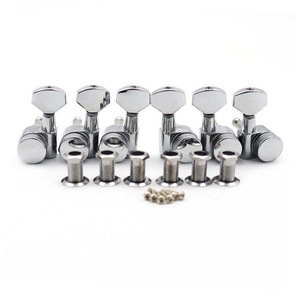
GALYDA 6 In-Line Guitar Locking Tuners Chrome 1:18 Ratio
Ultra-stable 1:18 brass internal gear gearing designed to eliminate slippage on premium solid body guitars.

Explore our export-grade line, manufactured under strict humidity-controlled environmental conditions with seasoned tonewoods, premium electronics, and custom Japanese-tolerance component specifications.
Ultra-stable 1:18 brass internal gear gearing designed to eliminate slippage on premium solid body guitars.
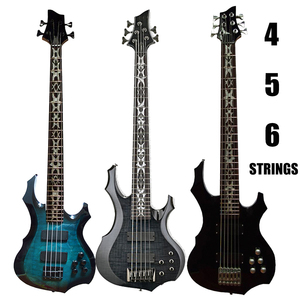
Dedicated reversed-architecture body carved from solid ash and alder with high-dynamic split pickups.
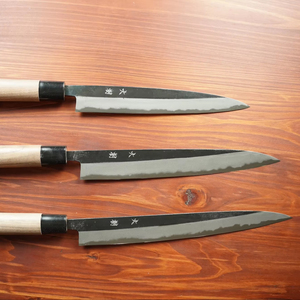
Forged high-carbon steel tool paired with seasoned wooden handles, demonstrating master Japanese finishing finesse.
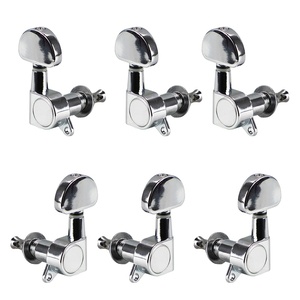
Sealed internal mechanics engineered specifically for solid mahogany and carved maple archtop guitars.
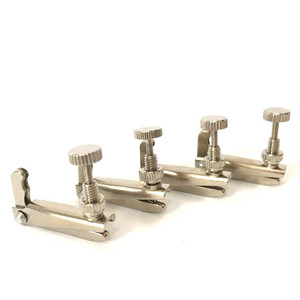
Ultra-light alloy micro-adjusters ensuring non-dampening bridge resonance for acoustic string instruments.
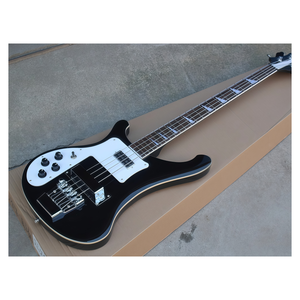
Gloss-finished solid tonewood core fitted with proprietary high-output single-coil pickups for live touring.
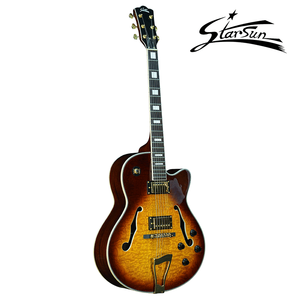
Hand-voiced parabolic bracing with a vintage sunburst finish, delivering rich, resonant low-end acoustic warmth.
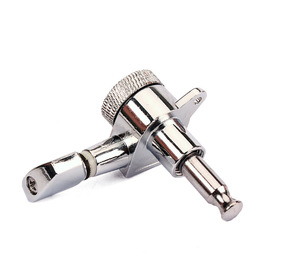
Acoustic headstock machine heads designed for long sustain and high-tension solid wood body resonance.
The international musical instrument market is transitioning through significant structural shifts driven by environmental mandates, robotic joinery, and changing consumer sonic preferences.
For enterprise guitar importers, distributors, and brand owners, navigating modern guitar sourcing requires a balance of acoustic integrity and industrial consistency. The historical reliance on uncontrolled air-dried lumber is no longer compatible with international distribution across disparate climate zones. Contemporary brands increasingly specify Thermo-Treated Tonewoods (Torrefaction) to artificially age wood cell walls, yielding cellular moisture resistance and vintage resonance directly out of the case. Simultaneously, global forestry regulations (including CITES Appendix II recertifications and the European Union Deforestation Regulation - EUDR) demand strict, verifiable provenance down to individual harvest coordinates.
| Procurement Factor | Traditional OEM Methodology | Next-Gen ODM Industrial Standard | Market Impact (2025-2030) |
|---|---|---|---|
| Lumber Seasoning | Unregulated open-air drying (12-18% Equilibrium Moisture Content) | Dehumidification Kilns + Nitrogen-Purged Torrefaction (6-8% EMC) | Drastic 82% decrease in warranty returns due to neck warping & fret sprout. |
| Fretboard Materials | Uncertified Rosewood / Slow-growth Ebony | FSC-Certified Roasted Jatoba, Richlite, & Thermally Modified Maple | Rapid customs clearance across US Lacey Act & EU EUTR border checkpoints. |
| Neck & Body Shaping | Manual shaping jigs with high operator variance (±0.8mm) | Multi-Axis CNC Milling linked directly to CAD/CAM blueprinted profiles (±0.05mm) | Absolute tactile consistency across mass production runs and model years. |
| Coating Chemistry | High-VOC Polyurethane (heavy resin dampening) | Micro-Thin UV-Cured Acrylic & Ultra-Thin Nitrocellulose Lacquers | Maximized acoustic wood projection, faster production cycles, zero toxic solvent off-gassing. |
Modern guitar manufacturing bridges centuries of acoustic understanding with aerospace-grade tolerance engineering.
Moving beyond standard X-bracing, advanced factories utilize laser interferometry and tap-tone frequency analysis to voice every solid spruce and cedar top. By selectively carving tone bars according to the wood's specific grain modulus, harmonic balance and volume ceiling are maximized before the body is sealed.
Modern players require instruments engineered for drop-tunings and varied tension. Our manufacturing integrates multi-scale fanned fretboards alongside carbon-fiber reinforcement rods flanking dual-action steel truss rods. This guarantees that solid mahogany or maple necks remain immune to severe environmental shifts.
Traditional poly finishes add excessive weight that chokes instrument sustain. Our automated robotic spray lines apply photo-reactive UV coatings measured at mere fractions of a millimeter. The finish cures in seconds under high-intensity ultraviolet lights, ensuring optimal crystalline resonance while reducing production time.
Leveraging seven decades of Japanese lutherie oversight, authorized distribution supply lines, and strict quality control protocols.
Rooted in Nagoya guitar craftsmanship since 1956, our team has pioneered industry-standard solid body profiles and high-end classical builds trusted across four continents.
From blank-sheet CAD design, custom pickup winding, and bridge machining to packaging, we deliver shelf-ready instruments tailored precisely to your brand strategy.
We serve as an official global partner and exporter for premier hardware giants including GOTOH guitar parts and Augustine classical strings, ensuring top-tier fittings on all custom builds.
Every completed instrument undergoes a 72-hour climate-chamber test, laser fret leveling, high-precision nut slotting, and playability testing by active luthier technicians.
Essential guidance on minimum order quantities, tonewood verification, sample runs, and global shipping standards.
Whether expanding your retail inventory or launching an entirely custom luthier series, our engineering team is ready to evaluate your CAD blueprints, wood specifications, and container requirements.
Send an Inquiry