
Source master-crafted instruments, Alnico-loaded electronics, and specialized guitar lutherie components built strictly to global distribution compliance.

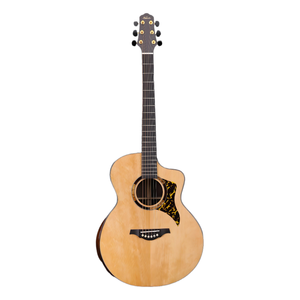
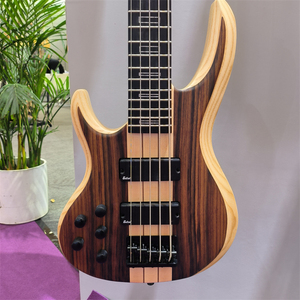
The global bass guitar marketplace is undergoing a profound structural shift. For procurement directors, institutional brand owners, and distributor networks, identifying a top-tier Precision Bass (P-Bass) manufacturer is no longer just about wood sourcing—it requires verifying dimensional tolerance stability, wood dehydration cycles, magnetic flux optimization, and turnkey OEM/ODM scaling.
Since its inception in 1951, the split-coil 34-inch scale platform has set the standard for modern music. However, manufacturing a retail-ready bass that maintains a dead-flat neck, consistent low-frequency fundamental punch, and zero fret sprout across dynamic climate shifts demands advanced engineering discipline. Below is our industry analysis of the world's leading electric bass guitar manufacturers, highlighting the production capabilities, operational strengths, and market positioning that define the top tier of international bass production.
Founded in Nagoya in 1956 by Shiro Arai. Renowned for legendary platforms like the Cliff Burton SB series and the modern RSB line. Aria sets the benchmark in Japanese quality control, multi-laminate neck designs, and global distributor networks.
The originator of the Precision Bass. Operates high-capacity facilities in Corona, CA, and Ensenada, Mexico. Serves as the global standard for classic split-coil tone, vintage C-shape neck profiles, and nitrocellulose finishes.
One of the largest contract instrument factories in the world. Produces private-label bass guitars for dozens of world-leading brands, featuring cutting-edge electrostatic paint facilities and expansive multi-axis CNC cells.
World-renowned Japanese manufacturer famed for OEM collaborations with Ibanez and Fender Japan. Innovators of the Circle Fretting System (C.F.S.) and specialized kiln-drying regimes for master-grade necks.
Industrial manufacturing giant powering massive volume entry-to-mid level bass exports for major American and European brands, excelling in strict budget control and automated volume production lines.
Key Japanese facility historically responsible for iconic domestic market bass runs. Praised for precision woodwork, pristine polyester thin-skin coatings, and vintage-correct pocket tolerances.
A recent market disruptor pairing Indonesian automated factories with signature active/passive preamps, rolled fretboard edges, and premium roasted maple features at aggressive price points.
Distinguished for high-end German production using exotic woods (Ovankol, Wenge) alongside their monitored RockBass operations in Asia, delivering bell-brass frets and high-mass adjustable bridges.
Precision manufacturing operations spanning the custom-shop level in Tokyo to high-volume LTD lines in Indonesia, specializing in active P-J configurations and modern, low-friction, high-velocity neck profiles.
Bespoke contract manufacturing hub offering boutique batch runs, custom OEM private labeling, Gotoh hardware compatibility, and roasted tonewood selection suited for global wholesale importers.
Procuring electric basses for multi-regional retail or OEM brand expansion demands clear insight into evolving specifications. Commercial success in the modern MI (Musical Instrument) retail environment hinges on three key engineering factors:
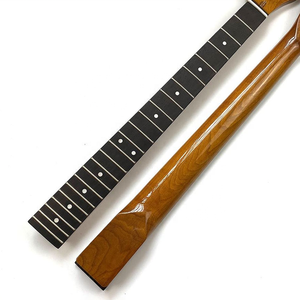
1. Thermally Modified (Roasted) Tonewoods: Neck warpage accounts for a major portion of distributor warranty returns. Modern B2B procurement programs favor kiln-baked Canadian maple necks. Subjecting maple blanks to oxygen-free heat treatment above 180°C crystallizes residual hemicellulose, dropping internal moisture levels below 4%. This ensures structural stability through ocean freight transit and seasonal humidity spikes.
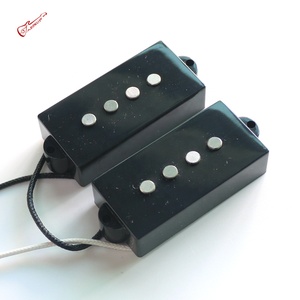
2. Split-Coil Magnetic Calibration (Alnico V vs. Ceramic): Buyers are moving away from generic, high-inductance ceramic pickups. Market data indicates stronger demand for vintage-spec Alnico V polepieces featuring formvar-coated 42 AWG copper windings. This configuration delivers an open dynamic range, clear midrange fundamentals, and avoids unwanted harmonic clipping in professional recording applications.
3. Precision Neck-Pocket Machining: Modern bass setups require low, buzz-free action straight from the factory box. Premium builders use high-speed multi-axis CNC routing to achieve neck-pocket clearances under 0.05mm. This tight joint maximizes string vibrational transfer into the body core and minimizes settling during intercontinental transit.
Our manufacturing and export ecosystem is rooted in Japanese engineering oversight and a heritage dating back to 1956. We build custom instruments and scalable OEM lines that give brands and retail distributors clear, lasting competitive advantages:
Every batch follows strict inspection protocols covering string-break angle, fret leveling to within ±0.02mm, and shielding isolation to ensure hum-free performance.
Direct integration with premier hardware ecosystems, serving as an authorized exporter of GOTOH hardware and Augustine Strings for stable build quality.
Comprehensive turnkey private label customization: bespoke headstock branding, 4-string to 5-string conversions, left-handed configurations, and thin-skin polyurethane finishes.
Drop-tested export-grade carton packaging, desiccated chamber palletizing, and direct compliance with international Lacey Act and CITES timber documentation.
Partner with an industry-leading manufacturer with over seven decades of proven heritage. Request complete OEM/ODM technical specifications, factory pricing, and volume tiered discounts today.
Get Catalog