
Engineered for guitar factories, boutique custom shops, and global OEM/ODM distributors requiring exact millwork, seasoned tonewoods, and electro-acoustic stability.


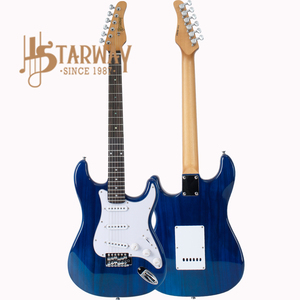
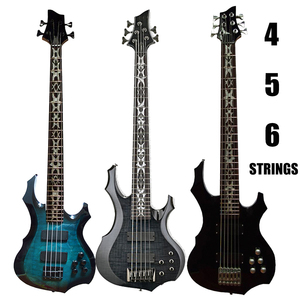
The global electric musical instrument industry is experiencing an unprecedented structural evolution. As boutique luthiers, high-output contract brands, and mid-tier instrument distributors navigate rising domestic labor expenses in North America and Western Europe, China’s specialized CNC wood-manufacturing infrastructure has transformed from an entry-level OEM option into the primary engine of precision-machined, raw guitar chassis and component exports.
Historically, importing semi-finished timber assemblies presented distinct manufacturing risks: variable equilibrium moisture content (EMC), dimensional contraction across seasonal oceanic transit, erratic neck-pocket tolerances, and imprecise control cavity routing. In the modern era of automated parametric production, leading China manufacturers utilize five-axis industrial CNC tooling cells, computerized RF vacuum-drying kilns, and acoustic density-scanning arrays to output unfinished electric guitar and bass bodies that match or outperform vintage hand-carved blanks.
Every hardwood timber billet undergoes computerized radio-frequency vacuum moisture mitigation, permanently stabilizing moisture ratios between 8% and 10% to eliminate grain checks, warping, and neck-joint shifting.
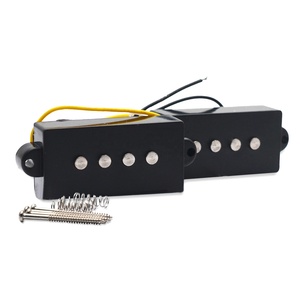
Digital CAM toolpaths control neck-pocket dimensions to within ±0.05mm tolerances. Pickup pockets, bridge mounts, and rear control cavities interface effortlessly with Japanese GOTOH hardware and industry-standard Alnico pickups.
All imported American Alder, Swamp Ash, African Okoume, and Canadian Hard Maple are certified under strict Lacey Act and CITES Appendix-II compliance frameworks, safeguarding seamless customs clearance globally.
Sourcing unfinished guitar bodies requires an uncompromising understanding of physical lumber dynamics. An unfinished body is an active acoustic canvas; its resonant profile, grain porosity, weight distribution, and response to final finishing chemistry (whether polyurethanes, thin-skin nitrocellulose lacquer, or natural oils) dictate the quality tier of the final assembly.
Renowned for its balanced frequency spectrum, medium weight, and closed grain structure. Alder produces a prominent upper midrange bite with balanced fundamental lows, making it the bedrock selection for iconic single-cut, double-cut, and offset solid-body models. Because its grain requires minimal pore filler, it remains the most cost-effective platform for factories spraying opaque, solid, and sunburst coatings.
Highly sought after by custom lutherie brands for its striking grain patterns and open acoustic resonance. Light, highly porous, and acoustically dynamic, ash yields scooped mids with bright treble response and tight bass frequencies. Our industrial processing separates ash into strictly calibrated weight tiers, offering boutique clients ultralight bodies (under 3.8 lbs) sanded to 240-grit preparation.
For high-sustain, single-cut carved-top bodies and modern extended-range or multi-scale instruments, Okoume and African Mahogany provide acoustic warmth, thick harmonic resonance, and pronounced sustain. These bodies are frequently matched with high-grade flamed (Bookmatched AAAA) or quilted maple veneers, CNC-carved with smooth ergonomic belly carves and sculpted heel access joints.
Driven by ergonomic touring trends, modern players demand instruments with minimal shoulder fatigue. Paulownia offers featherweight construction while retaining rigid structural integrity when routed with specialized screw-thread anchors. Simultaneously, thermo-cured (torrefied) basswood provides a neutral, highly responsive tone that resists climate-induced seasonal movement.
Procurement directors and product developers managing guitar body import operations face evolving market dynamics. Success depends on preempting three fundamental structural trends currently redefining the manufacturing supply chain:
From one-off prototype CAD development to high-volume multi-container logistics, partner with an engineering exporter dedicated to strict dimensional control and luthier excellence.
Contact UsBuilding on more than seven decades of guitar manufacturing insight, our operation blends traditional Asian craftsmanship with modern digital fabrication techniques. While low-tier suppliers struggle with dimensional variations, our manufacturing facilities adhere to strict industrial tolerances:
Rooted in historic Japanese instrument design paradigms and backed by experienced craftspeople, our engineering team evaluates lumber not just as cut wood, but as a resonant instrument chassis.
We maintain an inventory of over 100,000 raw timber billets resting in climate-monitored conditioning yards for a minimum of 180 days before final milling, mitigating internal stresses.
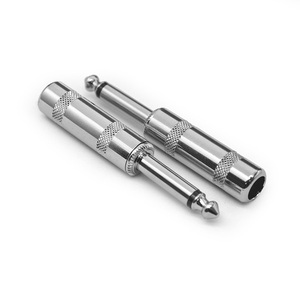
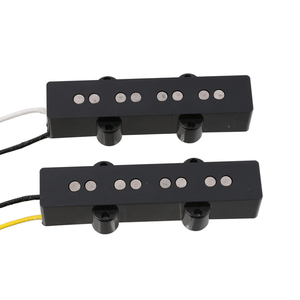
We test-fit physical bridges, machine tuners, and pickup modules—including precision Alnico split coils and 6.35mm output jack assemblies—directly on pre-production runs.
Our collaborative manufacturing process is structured to give overseas procurement teams total visibility into production milestones, from raw billet inspection to customs logistics:
All timber bodies undergo intensive radio-frequency drying and conditioning cycles, departing our facilities at 8%–10% moisture content. Packaged in vacuum-sealed moisture-barrier films with industrial silica desiccants, the wood remains dimensionally stable through trans-oceanic passage, arriving ready for finish application without acclimation delays.
Yes. We routinely route standard 56mm (2-3/16") vintage heels, modern metric formats, 7-string extended dimensions, deep-set tenons, and all-access sculpted joint pockets. We can accept client-provided physical neck samples or 3D coordinate scans to ensure a precise, gap-free wood-to-wood fit.
We work exclusively with audited timber distributors holding verified chains of custody. All shipments are accompanied by official Plant Quarantine Inspections, Certificates of Origin, and complete CITES documentation when required, ensuring smooth, compliant importation across European, American, and Asia-Pacific customs borders.
For custom CNC configurations utilizing customer-supplied CAD files, our standard production batch size is 50 units per design variant (which can be distributed across multi-piece Alder, Swamp Ash, or Mahogany lumber options). First-article functional prototypes for production sign-off can be arranged prior to full manufacturing runs.
Yes. Our CAM tool library contains calibrated reference files for standard vintage and modern hardware, including bridge spacing, output jack locations, control plate cutouts, and tuning installations. We ensure that aftermarket and OEM components fit the pre-routed cavities without requiring manual workbench trimming.