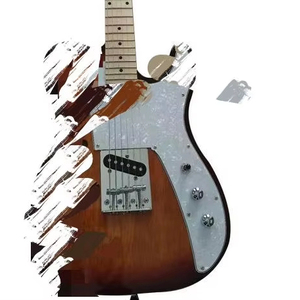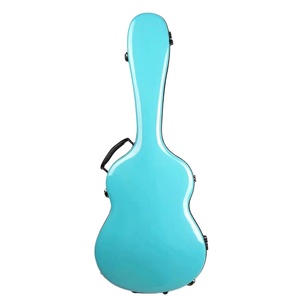
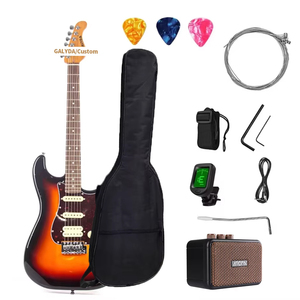
Engineered to support global distribution margins. Explore high-velocity beginner bundles, precision OEM neck replacements, road-ready hardware, and custom boutique chassis manufactured with tight tolerances.
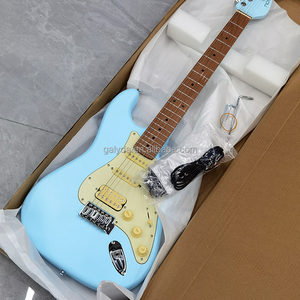
Commercial buyers and regional instrument distributors face shifting supply chains, fluctuating raw material regulations, and evolving tonal requirements across live and studio environments.
Global logistics demand extreme physical stability. Factory procurement has shifted heavily toward roasted maple necks and vacuum-kiln-dried tonewoods. Torrefaction reduces wood moisture below 4%, practically eliminating fret sprout and neck warping during trans-oceanic shipping across contrasting climatic zones.
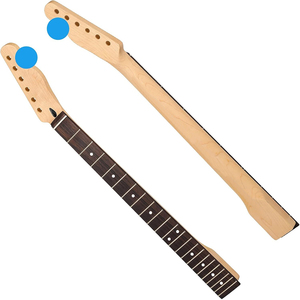
With tightening international constraints on Dalbergia species (Rosewood), volume purchasers require certified sustainable fingerboard alternatives such as thermally modified laurel, high-density richlite, and technical purpleheart. Top trusted factories guarantee pre-cleared Lacey Act and CITES documentation.
The contemporary bassist demands active/passive switching with zero volume drop. Factory floor designs now incorporate balanced onboard preamps with parametric mid-controls, ultra-shielded cavities, and proprietary split-coil pickups capable of transitioning from vintage soul warm thumps to high-output slap modern clarity.
How advanced CNC automation, pleking methodologies, and acoustic engineering intersect with historic Japanese lutherie standards.
For over half a century, bass guitar manufacturing has progressed through distinct eras. The golden age established foundational neck-through designs, exemplified by the iconic Aria Pro II SB-1000 and SB-CLB Cliff Burton platforms. These classic instruments set the historical benchmark for attack response, sustain, and structural rigidity. Today, advanced OEM/ODM factories combine this artisanal soul with computerized precision.
State-of-the-art luthier facilities rely on multi-axis CNC carving centers accurate within 0.02mm tolerances. Neck joint pockets, truss rod channels, and pickup cavities are routed with micrometer accuracy, securing seamless wood-to-wood kinetic resonance. Electrostatic automated painting bays lay ultra-thin polyurethane and nitrocellulose lacquer finishes, allowing the tone blocks to breathe without sacrificing scratch resistance.
Crucially, automated Plek fret leveling has transformed wholesale bass setups. By measuring each neck under simulated string tension, frets are leveled to tolerances human hands cannot consistently match across a 1,000-unit production run. As a result, B2B wholesale buyers receive instruments ready for store shelves right out of the shipping carton, minimizing post-delivery luthier overhead costs.
Leveraging seven decades of Japanese mastery, an official export ecosystem, and flexible OEM scale.
Rooted in Nagoya since 1956. We maintain historical blueprints, wood ageing curves, and structural specs that modern low-cost copycat workshops cannot replicate.
Strategic export alliances with market leaders including GOTOH precision hardware, Augustine classical strings, and Pignose amplification ensure premier component integrity.
Offering both boutique handcrafted Japanese production (Platinum Collection) and cost-optimized mass-production partner workshops under unified Tokyo QA supervision.
From vintage thrash legends to emerging indie stars, our instruments are constantly stress-tested on global stages, validating durability under touring rigors.
Clear, definitive operational guidance designed for procurement officers, chain store category managers, and private-label distributors.
Standard catalog models feature low barrier MOQs starting at 30 to 50 units per colorway. Full custom OEM/ODM bass projects—including custom body shapes, headstock profiles, active circuit voicings, and proprietary logo branding—typically require an MOQ of 100 to 200 units per production run.
All hardwood blanks undergo computer-monitored humidity equilibrium cycles (EMC) adjusting core moisture levels between 8%–10% before CNC machining. Furthermore, dual-action carbon-reinforced steel truss rods ensure that setups remain stable despite severe maritime temperature swings.
Yes. Unlike standard mass-assembly plants that merely convert right-handed templates, our facilities utilize dedicated CNC routing jigs, compensated bridge placements, and asymmetric neck carving specifically engineered for left-handed ergonomics and extended-range tension balance.
All shipments comply strictly with EU RoHS, REACH, and California Proposition 65 chemical regulations regarding non-toxic varnishes and low-lead copper wiring. Lacey Act documentation, legal lumber chain-of-custody certificates, and CITES non-endangered declarations are prepared systematically for every container.