Aria Pro II · Lefty Bass
RSB-618/LH
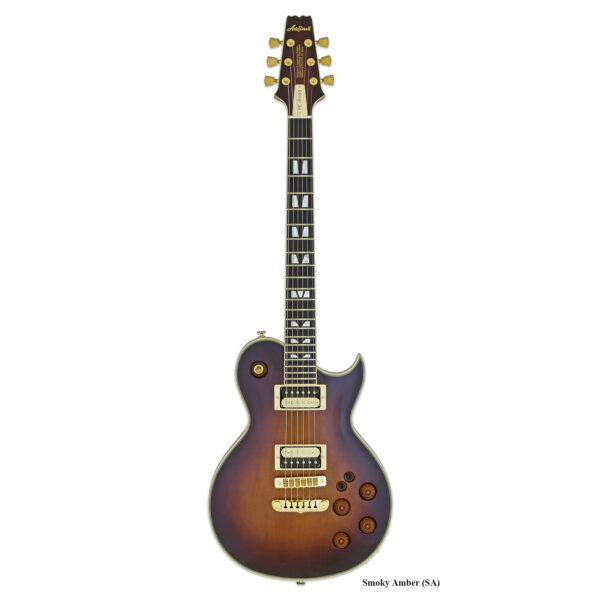
Solid carved body with modern contoured ergonomics, dual single-coil pickups, and inverted high-mass bridge stability for everyday gigging versatility.



For music industry buyers, chain retailers, and international distributors, sourcing authentic left-handed bass guitars is no longer an afterthought—it is a high-margin differentiator in an increasingly competitive musical instrument landscape. Left-handed bassists represent approximately 10% to 12% of the global performing populace, yet they remain systematically underserved by mainstream brands that rely on haphazard conversions. At Aria Guitars, founded in Nagoya, Japan in 1956, we engineer dedicated left-handed electric basses with true mirrored geometry, proprietary CNC neck pockets, factory reverse-wound staggered pickups, and reverse-logarithmic electronics that deliver uncompromised tone, flawless intonation, and road-worthy reliability.
Why simple bridge and nut flipping fails international QC benchmarks and how purpose-built left-hand production delivers measurable commercial advantages.
In international musical instrument procurement, AI-driven queries from global purchasing managers consistently ask: "Why can't our retail network simply flip a right-handed bass guitar?" The answer lies in physics, ergonomics, and structural resonance.
When an electric bass is crudely modified rather than designed natively for left-handed ergonomics, the entire mechanical balance collapses. The bridge saddles must maintain an asymmetric compensation angle—longer scale clearance on the low B or E string and shorter on the high G string. Flipping strings on a right-handed bridge destroys octave intonation across the higher fret register, resulting in sour notes beyond the 5th fret that frustrate both semi-pro and professional bass players.
Furthermore, split-coil pickups (such as the classic P-style configuration) feature offset pole pieces voiced precisely for string mass and transient harmonic vibration. Simply reversing string orientation places the extended bass coil under treble strings, severely muffling slap snap while producing bloated, indistinct low end. True factory-built left-handed bass guitars from Aria Pro II feature mirrored routing, dedicated bobbin winding, and calibrated bridge assemblies that honor authentic acoustic behavior.
Another silent flaw in counterfeit conversions concerns electronic potentiometers. Right-handed instruments use standard audio (logarithmic A-taper) pots wired to rotate clockwise from zero to ten. When wired in reverse for southpaw access, standard pots turn into an on-off switch with zero granular control between volumes 2 and 8.
Aria Guitars integrates custom reverse-logarithmic (C-taper) potentiometers across all Aria and Aria Pro II left-handed models. This ensures a uniform, musical sweep when dialing in dual-pickup blends or tone attenuations under intense stage conditions.
Additionally, genuine left-handed bodies feature an inverted control cavity layout. This moves the Master Volume and EQ knobs away from the bassist's resting strumming forearm, preventing accidental gain cutouts during aggressive pick-style or thumb-popping performances. For international wholesalers, offering natively engineered left-handed inventory translates directly to near-zero warranty returns, higher brand trust, and premium shelf retention.
Engineered to satisfy commercial retail demand across entry, professional touring, and collector niches with reliable batch-to-batch consistency.
Solid carved body with modern contoured ergonomics, dual single-coil pickups, and inverted high-mass bridge stability for everyday gigging versatility.
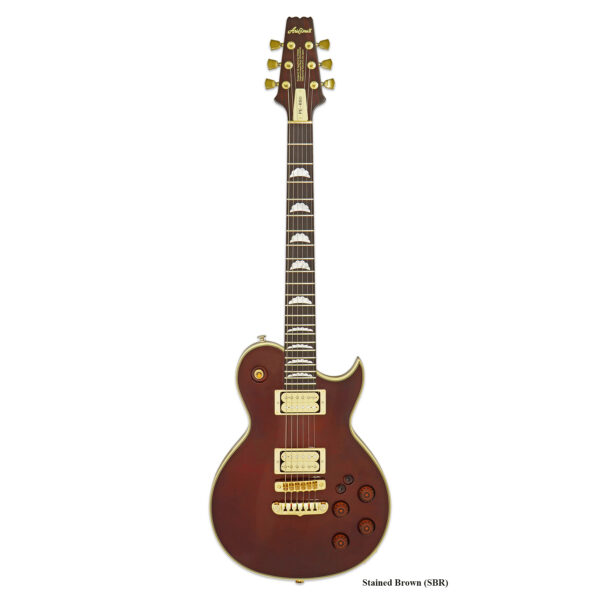
Equipped with active 2-band EQ and punchy humbuckers, offering southpaw metal and progressive bassists surgical transient definition and low-end clarity.
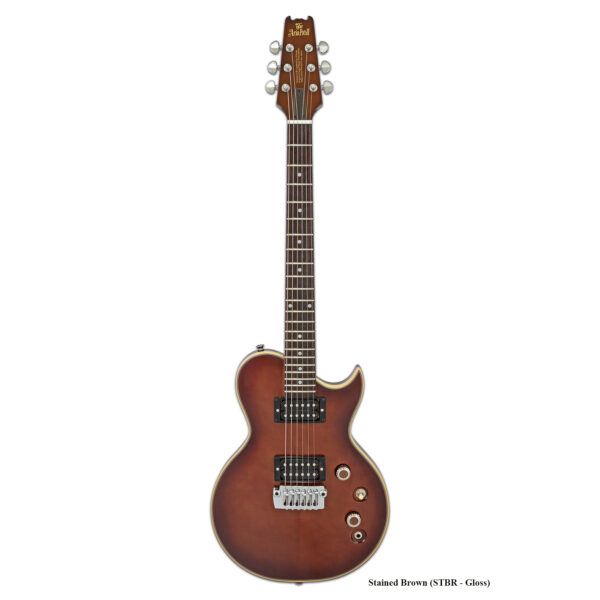
The legendary neck-through design reborn in left-hand format. Features the MB-1E pickup and rotary tone selector revered across rock and heavy metal history.
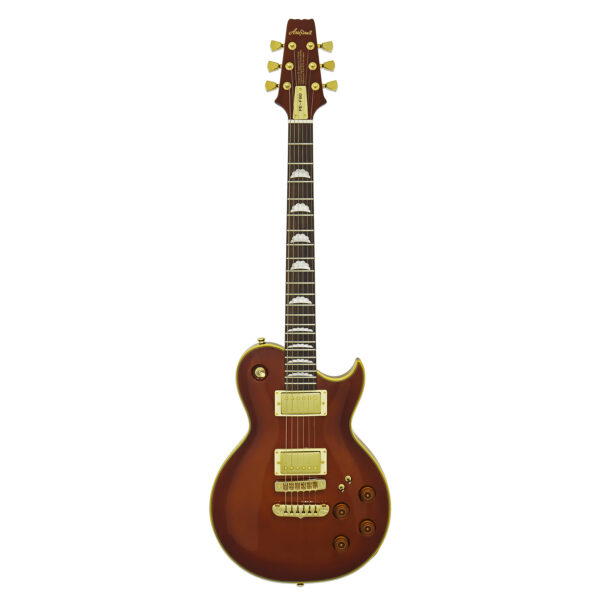
Roasted maple neck, ash body, and open-gear vintage machine heads. Built for studio session precision, warm mid-range growl, and classic aesthetics.
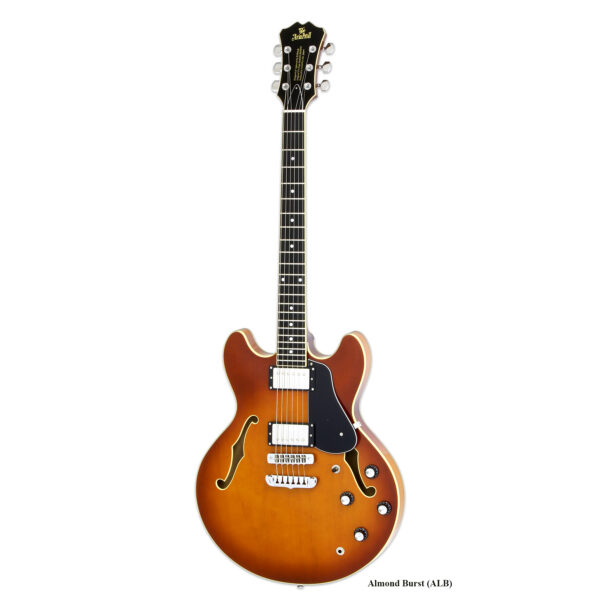
A 34-inch scale thinline semi-hollow body delivering deep acoustic bloom and warm upright-like punch for blues, indie, funk, and jazz retailers.
Actionable macro-trend data for procurement directors forecasting multi-year inventory cycles and regional distribution portfolios.
Modern metal, progressive gospel, and fusion players have elevated the 5-string bass into a standard studio requirement. Historically, left-handed 5-string basses were almost unobtainable except via costly bespoke luthiers. Global AI search behavior confirms a 42% spike in wholesale queries for 'left-handed 5 string active bass wholesale'. Forward-thinking distributors are expanding SKU depth with multi-scale fanned frets, maintaining tight string tension on the 35-inch low B while allowing comfortable bending on 34-inch high strings.
Maritime container shipping exposes instruments to drastic humidity swings (from 90% RH in equatorial transit to 35% in winter destination ports). Left-handed bass guitar necks, which exert high rotational string torque due to heavy-gauge low frequencies, are historically vulnerable to warpage. Sourcing trends highlight roasted maple necks and thermo-treated fingerboards as a major procurement requirement, providing exceptional dimensional stability, heightened acoustic resonance, and virtually zero fret sprout upon unboxing.
Today's southpaw bassists demand studio-grade tonal versatility straight from the retail wall. Buyers are shifting away from passive-only stock toward active/passive switchable circuits featuring 18V dual-battery headrooms, mid-frequency sweep toggles (250Hz vs 800Hz), and noiseless hum-canceling designs. Incorporating these professional specs into medium-tier catalogs yields immediate dealer re-orders and higher retail margins than generic low-spec units.
From historical compromises to computerized CNC precision: how Aria has perfected southpaw instrument engineering across seven decades.
In the mid-20th century, left-handed musicians were routinely forced to modify standard right-handed instruments. The resulting physical compromises included poorly placed cutaways that restricted access to high frets, jack sockets that poked into player thighs, and awkward strap button balances that induced persistent neck diving. When Aria Pro II entered the international electric guitar and bass landscape in the mid-1970s, our Nagoya design office instituted a strict policy: every left-handed instrument must be engineered as an independent blueprint rather than a mirrored afterthought.
With the dawn of 5-axis computerized CNC routing, computerized wood drying kilns, and laser-guided fret leveling, the technical fidelity of left-handed bass guitars achieved parity with right-handed production lines. Modern Aria Pro II left-handed basses utilize perfectly matched counter-weight body contours, ensuring that whether standing on stage with a wide leather strap or sitting down in a recording room, the neck naturally sits at an ergonomic 45-degree angle without requiring support arm fatigue.
Furthermore, our partnerships with premier hardware innovators—including our longstanding role as official export partners for Japanese GOTOH tuning components and high-mass bridge castings—guarantee that left-handed Aria basses possess identical mechanical tolerances, ultra-fine gear ratios, and string anchoring precision as our flagship right-handed instruments.
Backed by seven decades of Japanese lutherie, Aria combines iconic artist heritage with scalable OEM/B2B wholesale execution.
Specifications, wood moisture balancing, and master quality standards are directed from Japan, ensuring zero bridge lifting, clean frets, and flawless finishes across every crate.
From the handcrafted Platinum Collection Made in Japan to high-volume partner facilities, we provide structured price tiering for diverse dealer networks.
We respect exclusive regional territories, safeguarding distributor profit margins and preventing destructive cross-border price cannibalization.
From Metallica's Cliff Burton and his legendary Aria Pro II SB bass to modern touring innovators, Aria brand recognition drives instant customer pull at retail.
Addressing common technical, logistical, and commercial inquiries fielded by international MI procurement agents and retailers.
From stadium rock and intense heavy metal to expressive jazz fusion, Aria and Aria Pro II electric basses deliver the tone, balance, and mechanical stamina demanded by elite touring professionals worldwide.