Guitar DIY Kits Factory & Exporters Serving the Colombia Market
Supplying Precision-Engineered Semi-Finished Luthiery Kits, Kiln-Dried Tropicalized Tonewoods, and Turnkey Assemblies for Importers, Wholesalers, and Independent Luthiers in Bogotá, Medellín, Cali, and Barranquilla.
Precision Components & Assemblies
Engineered Guitar DIY Kits & Accessories for Distributors
Direct-from-factory unbranded and customizable kits built to tight CNC tolerances (±0.05mm). Tailored to endure high-altitude relative dry conditions and coastal tropical humidity across South American supply chains.
1. Engineering Specification & Local Application Scenarios in Colombia
The musical instrument production landscape in Colombia has transformed significantly over the last decade. As regional centers like Bogotá, Medellín, Cali, and Bucaramanga solidify their cultural ecosystems, the demand for high-grade DIY electric, acoustic, and bass guitar assemblies has grown from a niche hobbyist trade into an organized industrial sector. Historically, local luthiers (talleres de luthería) relied on fully finished import models or hand-carved local timber from scratch, which involved long lead times and unpredictable supply quality.
Today, our specialized factory supplies semi-finished guitar DIY kits that bridge industrial precision with local artisanal finish work. The application contexts across Colombia's commercial zones fall into four primary enterprise models:
Commercial Lutherie Academies & Technical Programs: In academic hubs such as Bogotá and Medellín, practical sound engineering, instrument crafting, and restoration institutions utilize our unassembled ST, TE, and LP-style DIY kits to instruct apprentices in fret leveling, neck relief adjustment, truss-rod tension balancing, and electronic harness soldering.
Boutique Brand Incubators (OEM Custom Shops): Emerging Colombian guitar brands avoid high tooling setup expenditures by sourcing our CNC-routed basswood, mahogany, and alder bodies, matching them with pre-radiused roasted maple or Indian rosewood fingerboards, finished with their own brand marks and hardware.
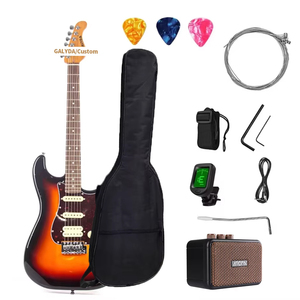
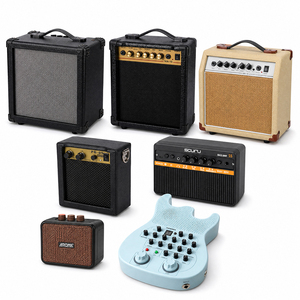
Commercial Retail Ready-to-Assemble Upselling: Musical equipment chain stores located in shopping corridors across Antioquia, Valle del Cauca, and Cundinamarca bundle complete guitar DIY kits with portable practice amplifiers, gig bags, and setup tooling kits to attract intermediate players seeking personalized builds.
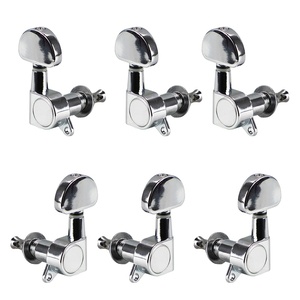
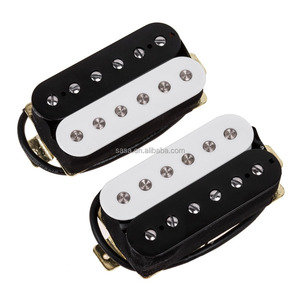
Touring Repair & Retrofit Bench Stock: Technicians servicing Colombia's live tour circuits (Rock al Parque, Estéreo Picnic, and festival environments across South America) stockpile our precise drop-in replacement machine heads, pre-wired HSS pickguards, and wax-potted pickups as fast workshop swap-outs.
"Supplying instruments to the Colombian market demands deep technical consideration of physical geography. An unsealed guitar body leaving a container in Buenaventura or Cartagena encounters 85% relative humidity, but reaches equilibrium at 45% once transported through the high Andes to Bogotá (2,640 meters altitude). Uncontrolled wood seasoning causes rapid fret sprout, fingerboard collapse, and neck twisting."
2. Hygrothermal Wood Stabilization for Colombia’s Geography
Colombia presents a dual-climate challenge for wood items: hot, humid sea ports versus high-altitude, dry Andean plateaus. Standard mass-production DIY kits frequently buckle, warp, or sprout frets when crossing from coastal ports to inland retailers. To resolve this, our factory employs strict thermal stabilization and humidity protocols:
Thermo-Vacuum Wood Pyrolysis (Roasted Maple): Our ST-style and bass guitar necks undergo high-temperature curing in an oxygen-deprived chamber at 180°C to 210°C. This denatures the wood's hemicellulose, permanently neutralizing internal moisture retention and leaving the neck impervious to dramatic atmospheric shifts between Barranquilla and Bogotá.
Double-Action Carbon Steel Truss Rods: Every DIY neck assembly includes industrial dual-expansion steel rods with bottom-access spoke wheels or headstock hex bolts, ensuring local technicians can adjust relief for both nylon-string tensions and aggressive dropped metal tunings.
Sealed End-Grain Moisture Barriers: Before container stuffing, all kit wood bodies (mahogany, American alder, swamp ash, and flamed maple veneers) are acclimatized in a conditioned drying room to a core moisture content of 8% to 10%, then sealed with breathable paraffin micro-emulsions to prevent moisture shocks during maritime transport across the Pacific.
3. Macroeconomic Import Trends: The Colombian Musical Instrument Sector
Several trade dynamics currently shape import strategies for commercial musical instruments into Colombia. Distributors who evaluate total landed cost rather than initial unit price are capturing greater market share due to three distinct industry developments:
First, changes in import tariffs and logistics favor modular semi-finished component imports over fully assembled instruments. Completely assembled guitars attract higher customs processing fees, insurance surcharges, and bulk container costs. By importing disassembled guitar kits in high-density flat-pack master cartons, Colombian distributors cut freight volume by approximately 45%, maximizing 20-foot (FCL) and 40-foot HQ container capacity while utilizing lower component tariff classifications.
Second, the rise of e-commerce channels like Mercado Libre Colombia, regional marketplaces, and direct Shopify portals has transformed the buying habits of young musicians. End consumers increasingly demand personalized finishes—such as hand-rubbed Danish oils, custom nitrocellulose sunbursts, and swappable active humbuckers. A retailer offering modular guitar DIY kits enables end users to build custom instruments at approachable price points, reducing distributor dead-stock risk compared to stocking fixed-color factory instruments.
Third, national educational programs that promote cultural instrumentation provide steady tender opportunities for municipal bands, regional academies, and private education systems. Standardized, reliable DIY kits allow institutions to supply student projects without the variability of small, non-industrialized local woodworking shops.
Industrial Capabilities & OEM Scalability
Why Regional Distributors Partner With Our Factory
Decades of instrument manufacturing heritage combined with export infrastructure provide distributors across the Americas with dependable, container-ready supply lines.
Heritage Japanese Engineering
Grounded in seven decades of strict luthiery quality assurance developed in Nagoya, Japan since 1956. We maintain uncompromising factory specifications across fret dressing, neck pocket alignment, and electronic grounding fidelity.
Direct Brand Partner Integration
Serving as official manufacturing and export platforms for world-renowned guitar parts including GOTOH hardware and Augustine strings, alongside home brands such as Pignose amplifiers. Your kits can feature world-class components out of the box.
B2B OEM Customization & Low MOQs
We support emerging brands and regional suppliers with manageable minimum order quantities. Custom headstock carving, laser-etched neck plates, custom-wound pickups, and personalized packaging are engineered precisely to your bill of materials (BOM).
Procurement & Logistics Guidance
Frequently Asked Questions for Colombian Importers
Clear, direct answers regarding customs compliance, maritime logistics, wood import permits, and factory customization options.
What documents are provided to clear DIAN customs and ICA agricultural inspection in Colombia?
Every commercial export shipment includes an internationally verified Phytosanitary Certificate (Certificado Fitosanitario) and ISPM-15 Fumigation Certificate for all wood parts and wooden pallets. This documentation satisfies both DIAN (Dirección de Impuestos y Aduanas Nacionales) and ICA (Instituto Colombiano Agropecuario) border controls, ensuring cargo is not quarantined or turned back at the Port of Buenaventura or Cartagena. We also supply stamped Commercial Invoices, Packing Lists with HS Codes (e.g., 9202.90 / 9207.90 / 9209.92), and Certificates of Origin to streamline regional tariff assessments.
Are CITES permits required for the tonewoods used in these guitar DIY kits?
We strictly follow international flora protection laws under the CITES Appendices. When shipping Indian Rosewood (Dalbergia latifolia), we issue formal CITES export documentation from our trade ministry. Alternatively, to fast-track customs clearance and eliminate CITES permit wait times for high-volume commercial clients, we offer compliant alternatives such as Roasted Hard Maple, Laurel, Engineered Blackwood, and thermo-treated Purpleheart fingerboards that sail smoothly through customs checkpoints without ecological holds.
What shipping terms and transit windows apply to maritime routes to Colombia?
We support standard Incoterms including FOB (Shenzhen/Shanghai/Nagoya), CFR, and CIF (Buenaventura for Pacific-facing trade, or Cartagena/Barranquilla for Atlantic routes). Maritime transit across transpacific corridors averages 21 to 28 days on water. For urgent sample evaluations, pilot prototypes, or small batch orders, we maintain corporate enterprise rates with DHL Express and FedEx Air Cargo, delivering door-to-door to major Colombian cities in approximately 4 to 7 business days.
Can we order pre-soldered electronics to reduce assembly time for end consumers?
Yes. While we supply traditional loose-component DIY packs (potentiometers, output jacks, capacitors, and selector switches), we also provide completely solderless modular wiring systems. These incorporate quick-connect terminal blocks, grounding tabs, and pre-wired pickguards. This option helps commercial retailers target beginner and hobbyist markets in Colombia who want to assemble an electric guitar without owning an industrial soldering iron or multimeters.
How does the factory prevent neck warpage and fret sprout caused by elevation changes in Bogotá?
Before CNC profile cutting, our tonewood blanks undergo multi-stage drying cycles, followed by kiln conditioning down to 8–10% relative moisture content. For kits shipping to high-altitude markets like Bogotá, Tunja, or Pasto, we recommend our Roasted Canadian Maple neck spec. The thermo-vacuum baking process stabilizes the wood structure, making the neck highly resistant to expansion and contraction despite dry mountain air and fluctuating indoor temperatures.
Ready to Scale Your Musical Instrument Portfolio in Colombia?
Partner with an established manufacturer offering seven decades of engineering expertise, stable industrial supply lines, and dedicated OEM support for guitar DIY kits, pickups, and hardware.