
As the Eurasian musical instrument corridor undergoes a structural shift, global procurement directors, wholesale distributors, and brand owners are re-evaluating their tactical footprint. Sourcing high-resilience guitar gig bags and complementary precision lutherie accessories through the Turkish industrial network presents significant strategic advantages: rapid transit into EMEA, zero-tariff integration via the EU-Turkey Customs Union, and seasoned textile craftsmanship adapted to high-density luggage standards.

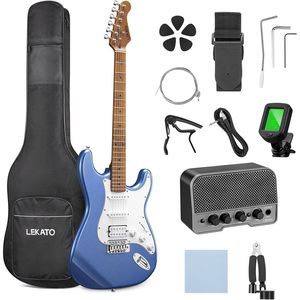
Instrument preservation during transit is fundamentally an exercise in structural dampening, climate insulation, and abrasion deterrence. In the mid-tier to high-end gig bag manufacturing segments, the obsolete 5mm sponge protective bag has been entirely replaced by composite multicellular architectures. For distributors and retail operations supplying both high-end electric axes and delicate classical acoustics, an uncompromised gig bag is not merely packaging; it is insurance against transit-induced structural failure.
Modern commercial gig bag manufacturing focuses on three structural layers:
Fabrics utilizing 600D to 1680D Ballistic Nylon and PVC-coated Oxford textiles provide high shear resistance. These membranes are treated with polyether polyurethane coatings to resist torrential downpours and airborne industrial particulates encountered in transit hubs.
A laminated core combining 20mm-30mm High-Density EPE and resilient EVA foam effectively mitigates kinetic impacts. The open-cell sponge absorbs sharp deceleration energy, while the dense outer layer spreads puncturing forces across the perimeter frame.
Interior contact liners feature ultra-soft brushed velvet, microfiber, or high-pile flannel that will not mar nitrocellulose or poly finishes. Strategic vulcanized rubber/PVC guards reinforce string-end zones and tailpins to prevent structural puncture.
| Structural Grade | Impact Cushioning | Thermal Resistance (ΔT) | Primary Use-Case Profile | Typical Transit Mode |
|---|---|---|---|---|
| Basic Economy (5-10mm PU) | Low (Drops < 0.3m) | Negligible (±2°C margin) | Retail accessory bundles, dust protection | Direct player foot-travel |
| Semi-Rigid Pro (20-25mm EPE/EVA) | High (Drops < 1.5m) | Moderate (ΔT damping up to 6 hrs) | Touring musicians, rehearsals, studio sessions | Public transit, car boots, short flights |
| Armor Hard-Foam Hybrid (30mm+) | Superior (Full torsional rigidity) | High (Multi-chamber air isolation) | High-value boutique guitars, international transit | Commercial flight overhead, cargo bays |
Turkey's unique geographic and macroeconomic position renders it a prime ecosystem for musical equipment distribution and accessory assembly. Understanding local operating environments provides critical insight into what end-users require from instrument carriers:
Musicians navigating the dense Marmaray, Metrobüs, and ferry networks between Kadıköy and Beyoğlu face frequent kinetic collisions, damp conditions, and crowding. Instrument gig bags designed for this market require ergonomic breathable mesh backpack straps, reinforced chest buckles, and non-slip rubber floor pads.
Turkey's climate varies from humid coastal breezes in Izmir and Antalya to the sub-zero continental dry winters of Ankara and Erzurum. These sharp shifts test wood stability. Gig bags built for regional distribution integrate closed-cell thermal barrier linings that protect acoustic soundboards from abrupt humidity and temperature shocks.
Turkey's vibrant lutherie scene balances contemporary solid-body electric guitars with indigenous chordophones such as the Bağlama (Saz), Oud, and Cümbüş. Suppliers who standardize structural shell manufacturing can run specialized runs of hybrid-dimension gig bags to support these traditional and fusion instruments.
Procurement workflows are adjusting to macroeconomic realities. Buyers evaluating Turkish factories and regional assembly facilities observe several defining industry trends:
Rising container freight volatility has driven Western and Eastern European brands toward nearshore manufacturing. Road freight from Bursa or Istanbul reaches major European logistics hubs (Frankfurt, Vienna, Milan) within 4 to 6 days, compared to 35-45 days for ocean freight from Far East terminals.
European corporate procurement mandates now require lower carbon footprints and traceable recycled materials. Leading Turkish industrial textile mills are supplying fabric woven from 100% recycled polyethylene terephthalate (r-PET), paired with non-toxic EVA foam formulations compliant with strict EU REACH parameters.
Retailers and e-commerce labels are departing from massive single-spec bulk commitments. Agile factories offer modular base designs where pocket arrangements, padding thicknesses, embroidery, and rubber bumpers can be customized with lower minimum order volumes (MOQs), preserving working capital.
Instrument protection cannot be designed in a vacuum; it requires a deep, practical understanding of string tension, neck relief, truss rod balance, and lutherie tolerances. Rooted in a guitar-making tradition active since 1956, our team applies decades of hands-on lutherie insight to every protective case and component we produce.
Every product cohort undergoes rigorous mechanical stress testing: zip-cycle durability tests exceeding 10,000 cycles, handle drop tests under 25kg weighted loads, and strict seam shear evaluations. Our QA parameters mirror the standards that established our flagship Japanese collections.
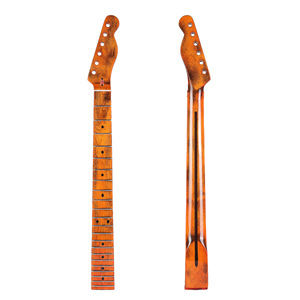
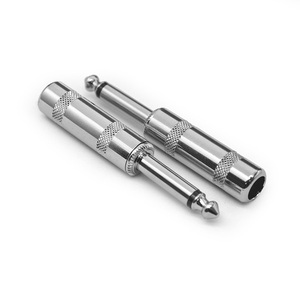
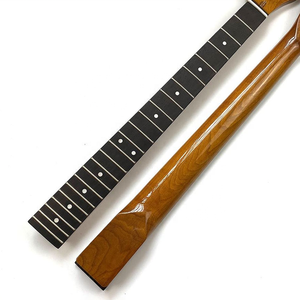
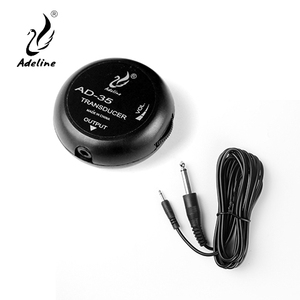
Beyond bags and cases, our manufacturing and distribution network spans all-solid acoustic guitars, electric guitars, roasted Canadian maple necks, precision 6.35mm jack harnesses, and transducers. This comprehensive breadth allows distributors to consolidate container procurement through a single trusted partner.
Drawing from longstanding ties with premium brands like GOTOH and Augustine Strings, our hardware curation adheres to world-class tolerances. Every buckle, D-ring, zipper pull, and rivet is selected to match the expectations of professional touring musicians.
Key operational answers for supply chain directors, distributors, and instrument brand managers procuring across the Turkish and European corridors.
Under the EU-Turkey Customs Union agreement, industrial goods accompanied by an A.TR movement certificate enter the European Union at zero customs duty. This offers significant duty savings compared to third-country imports, alongside shorter transport routes.
While rigid flight cases provide structural compression strength, high-grade gig bags with 25mm to 35mm composite high-density EPE/EVA foam absorb low-to-medium kinetic shocks through controlled cellular deformation. They are also 65% lighter, making them ideal for urban and stage transit.
Yes. Our OEM manufacturing options include adjustable, hook-and-loop secured internal neck cradles and angled headstock relief channels. These keep angled headstocks safely suspended away from exterior impact surfaces.
Sample prototyping and physical fitment approvals typically require 10 to 14 business days. Full container production runs range from 30 to 45 days, depending on custom fabric dyeing, hardware finishes, and technical embellishment requirements.
Speak with our OEM product specialists to request technical specifications, custom logo embroidery templates, sample mockups, or comprehensive consolidated catalog pricing.
Contact Us