
Engineering Micro-Amplification for the East African Musical Landscape
A B2B procurement briefing on how modern Class-D switching topology, battery versatility, and ruggedized chassis design are unlocking scalable commercial opportunities across Kenyan musical retail.
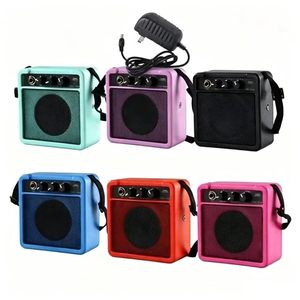
The commercial demand for portable, low-power musical instrument amplification across East Africa has reached a significant inflection point. In hubs such as Nairobi, Mombasa, Nakuru, and Kisumu, the retail dynamics of electric stringed instruments are pivoting away from cumbersome, high-wattage tube or linear-transistor stacks toward agile, highly dependable mini guitar amplifiers (3W to 15W). For institutional buyers, musical instrument store owners, and national tender distributors in Kenya, partnering directly with an experienced, factory-direct manufacturing line offers decisive commercial leverage over grey-market imports.
Procurement Insight: "In developing consumer electronics and musical instrument sectors across the Sub-Saharan belt, operational resilience under fluctuating grid conditions and rapid battery autonomy represent the number-one determining factor for consumer retention and low warranty claim rates."
1. Power Topology: Overcoming Grid Fluctuations & Field Busking Demands
Kenya's domestic power distribution infrastructure operates at a nominal 240V at 50Hz, yet voltage sags, power surges, and routine load balancing present chronic vulnerabilities for traditional musical electronics. Standard analog power transformers frequently experience core saturation or excessive thermal runaway under irregular line feeds. Our factory integrates switch-mode power supplies (SMPS) complemented by dual-rail DC-to-DC converters. This allows our mini guitar amplifiers to maintain stable operation across a wide voltage tolerance (100V–260V AC) without audio ripple degradation or ground buzz.
Furthermore, mobile street performance (the burgeoning live busking culture across Nairobi’s CBD, Westlands, and regional cultural festivals) requires sustained 9V DC or internal rechargeable lithium-ion battery integration. By integrating high-efficiency Class-D amplifier ICs with thermal cutoff logic, our units achieve an energy efficiency profile exceeding 88%, permitting 6 to 10 hours of continuous playing at standard output levels.
Circuit Protection
Over-voltage varistors, transient spike suppressors, and reverse-polarity protection diodes engineered to withstand volatile commercial power outlets.
Rugged Enclosure
Reinforced ABS polymer and road-tested corner guards resist transit damage across unpaved inland logistics routes and regional distribution corridors.
Acoustic Voicing
Custom neodymium and ferrite micro-drivers calibrated with analog multi-stage gain staging to simulate rich tube breakup at whisper-quiet volumes.
2. Localized Market Applications in Kenya
Deploying mini amplifiers in East Africa requires an intimate understanding of localized application environments. Our factory configurations are specifically engineered to address four major commercial segments:
- Faith-Based & Fellowship Auxiliary Audio: Kenya maintains thousands of active church communities. While Sunday worship uses massive PA systems, midweek Bible study groups, choir practice spaces, and youth fellowships require lightweight, instant-on amplification for acoustic-electric rhythm guitars and basses.
- Music Academies & Private Conservatories: Institutions such as the Kenya Conservatoire of Music and private secondary schools throughout Nairobi require reliable student practice stations where headphone output lets multiple students practice simultaneously in shared classrooms.
- Home Studio & Social Content Creators: With the boom of digital media creation, TikTok guitar tutorials, and YouTube instrument reviews in East Africa, musicians require desktop-sized amplification with direct recording (AUX/USB) capability without acoustic room bleed.
- Street Artistry & Itinerant Performers: Portable, belt-clipped, or shoulder-strapped 5W units (such as our 5W practice amplifier) allow acoustic and electric players to draw crowds in public plazas and transit terminals without depending on generator hookups.
3. Strategic Product Benchmark Matrix for B2B Importers
Below is an engineering benchmark outlining the performance tiers of our factory-manufactured micro-amplification and preamp systems against typical generic market alternatives imported into the East African trading block:
| Evaluation Parameter | Generic Domestic Market Amps | Our Factory OEM Series (Aria Heritage Grade) |
|---|---|---|
| Power Supply Compliance | Unregulated linear 220V transformer (High hum) | Wide-band SMPS (100–260V) + Isolated 9V Battery Rail |
| Enclosure Material | Thin chipboard or brittle polystyrene | High-impact shock-absorbent ABS with rubberized feet |
| Acoustic Dynamic Range | Distorts harsh at >60% volume threshold | Dynamic analog soft-clip limiter; clean headroom curve |
| QC & Pre-Shipment Inspection | Batch spot-check (frequent DOA out of carton) | 100% individual play-testing, burn-in load test, Japanese QA standards |
| B2B Branding & OEM Scalability | Generic unbranded or static silk-screen | Custom laser metal badges, tailored packaging, full ODM enclosure molds |
4. Emerging Musical & Procurement Trends in Kenya
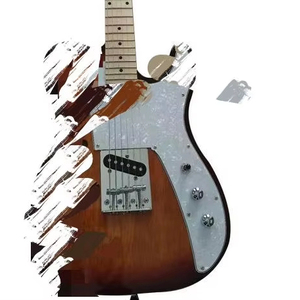
Market analysis of Kenyan import declarations indicates a clear transition toward hybridized instrument ecosystems. Retail stores on Luthuli Avenue and River Road in Nairobi, alongside major e-commerce platforms like Jumia and Kilimall, report that consumers overwhelmingly bundle an entry-to-mid-tier electric guitar with a portable mini amplifier instead of investing in costly, standalone combo amps.
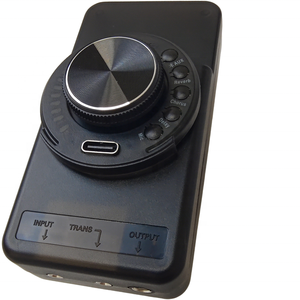
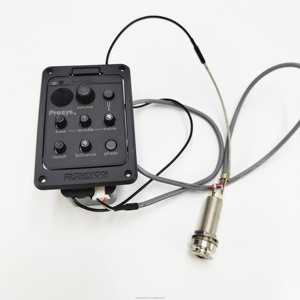
Additionally, the rise of Afropop, Benga revival, and modern gospel has intensified demand for acoustic guitar enhancement. Pickups like our OS1 Double Digital Shock Pickup and HIVE Fishman 201 EQ Preamp enable conventional folk and nylon classical guitars to plug directly into compact portable amplifiers, giving buskers and small ensemble leaders a complete portable sound stage at a fraction of typical stage-rig costs.
5. Enterprise Advantages: Why Wholesale Importers Partner With Our Factory
Inheriting the technical heritage of Aria Guitars—established in Nagoya, Japan in 1956—our manufacturing ecosystem combines classical lutherie integrity with contemporary audio electronics engineering. When importing for the Kenyan market, trade partners secure tangible enterprise advantages:
- Seven Decades of Brand Lineage: We build upon seventy years of design rigor, responsible for legendary instruments like the Aria Pro II PE Series and SB Bass lines played by music icons worldwide.
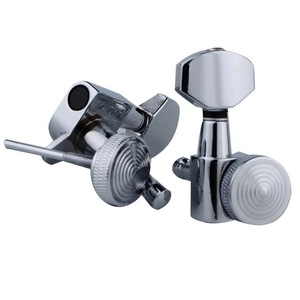
- Official Partner Synergy: Beyond amplifiers, our production handles precision accessories including official export ties with Gotoh hardware and Augustine strings, ensuring comprehensive catalog consolidation.
- Strict Quality Control Protocols: Every production batch follows multi-point inspection guidelines supervised under Japanese engineering standards, drastically cutting post-sale warranty claims in remote African markets.
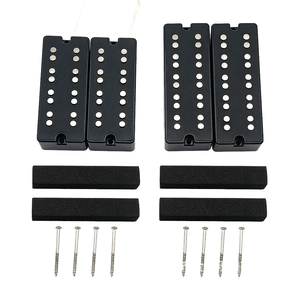
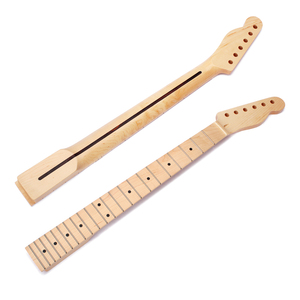
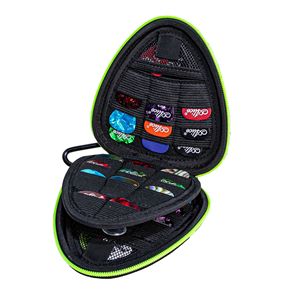
- Flexible Freight Consolidation: We accommodate mixed-carton container loads (combining mini amps, guitar necks, pickup preamps, and hard cases) direct to the Port of Mombasa (CIF) or Jomo Kenyatta International Airport (CIP Nairobi).
Frequently Asked Questions for Kenyan B2B Buyers
Key information regarding Minimum Order Quantities (MOQ), customs clearance compliance, logistics, and voltage compatibility.