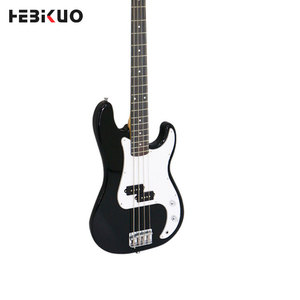

Precision-Kilned Acoustic Tonewoods, Nitrocellulose Craftsmanship, and Rigorous Climate-Stabilization Engineered Specifically for Tokyo's High-Density Retail & Live Music Sectors
Directly sourced, climate-stabilized stringed instruments, precision-milled roasted Canadian maple necks, and performance hardware engineered for distributor compliance across the Tokyo and Kanto metropolitan districts.
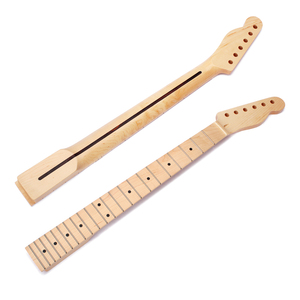
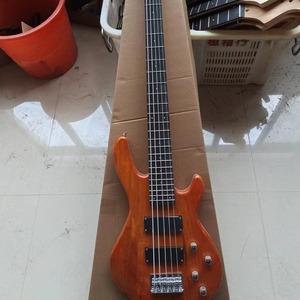
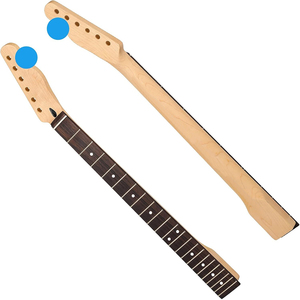
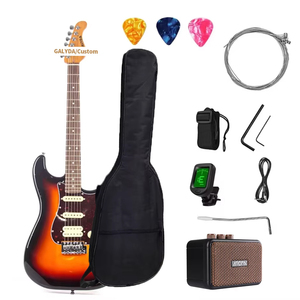
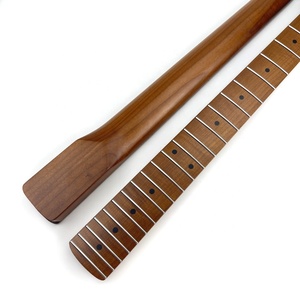
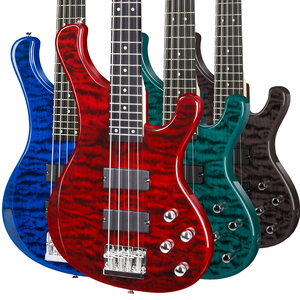
Tokyo represents the world's most concentrated, demanding retail ecosystem for musical instruments. Navigating this sector requires resolving unique atmospheric vulnerabilities, spatial acoustics, and collector expectations.
Tokyo switches violently between the intense humidity of the summer rainy season (Tsuyu, often >80% RH) and bone-dry winter indoor heating (falling under 25% RH). Our solid wood acoustic tops and roasted maple necks undergo a specialized multi-cycle kiln dehumidification process, stabilizing cell walls to eliminate top sinking, fret sprouts, and lacquer checking in Kanto storefronts.
Instrument hubs like Ochanomizu Meidai-dori demand visual flawlessness under direct 5000K LED showroom illumination. Every acoustic guitar and bolt-on assembly exported utilizes tight-grain Canadian Sitka Spruce, quartersawn maple cores, and ultra-thin gloss or satin poly-cellulose formulations that satisfy veteran shop technicians and boutique collectors alike.
Tokyo’s iconic underground live music venues (Livehouses in Shimokitazawa, Koenji, and Shinjuku) operate with strictly constrained stages and complex electromagnetic interference. Our solid wood electric instruments integrate isolated nickel-silver shielding cavities and custom-voiced pickups compatible with direct-box lineouts and compact digital modelers.
| Acoustic & Mechanical Vector | Standard Export Grade Guitar | Our Tokyo-Specification Engineering | Competitive Commercial Benefit |
|---|---|---|---|
| Tonewood Moisture Content | 12% - 14% (Standard Kiln Dry) | 8% - 10% (Thermo-Stabilized Vacuum Dehydration) | Zero fretboard shrinkage or fret-end protrusion during dry Tokyo winters. |
| Neck Structural Construction | Flat-sawn single piece maple/mahogany | Quartersawn Canadian Hard Maple or Roasted Multi-Laminate | Superior truss-rod responsiveness; withstands commuter transit rail temperature shifts. |
| Top Bracing Profile | Uniform Non-Scalloped X-Brace | Hand-Voiced Forward-Shifted Scalloped Adirondack Spruce | Maximized acoustic velocity and overtone separation for fingerstyle & recording studios. |
| Regulatory Traceability | Partial documentation | Comprehensive CITES Appendix II & METI Import Compliance Pre-Clearing | Swift clearance through Tokyo Port (Oi/Aomi Terminals) with zero port impound risk. |
Strategic market analysis for wholesalers, music chains, and private-label brands navigating Japanese consumer demands from 2026 through 2030.
Japanese players possess an encyclopedic reverence for pre-war acoustic projection and vintage golden-era electric instruments. Torrefied (roasted) soundboards and neck timber have shifted from a luxury lutherie novelty to an baseline requirement in metropolitan Tokyo. By baking the wood in oxygen-free kilns, hemicellulose crystallizes, simulating decades of natural aging while conferring structural immunity against atmospheric moisture shifts.
Given the acoustic containment constraints of Tokyo residential living, high-output, boom-heavy acoustics are yielding market share to OM (Orchestra Model), 000, and thinline acoustic-electric formats. Modern Japanese creators prioritize balanced mid-range response that sits smoothly in vocal audio mixing consoles without muddying, combined with factory-installed piezo-magnetic hybrid preamps.
Historically under-served segments, such as dedicated left-handed players and modern math-rock / progressive fusion bassists requiring stable 5-string tension, represent the fastest-growing niche across Kanto university music circles. Wholesalers stocking factory-built (non-converted) left-hand solid wood models and 35" scale multi-laminate basses are securing durable commercial margins.
Combining Japanese luthier discipline originating with Aria's 1956 founding in Nagoya with scalable industrial capacity, CNC precision routing, and direct export supply chain execution.
Our operational oversight maintains the exact lineage, neck profiling doctrines, and inspection tolerances established across 70 years of Japanese instrument manufacturing, ensuring each export container adheres to strict master-luthier parameters.
We maintain an extensive, legally compliant warehouse inventory of seasoned Solid Spruce, Canadian Maple, African Mahogany, and Rosewood alternates, completely pre-certified for seamless Japanese Customs & METI clearance.
Whether manufacturing private-label runs for independent Tokyo luthier shops or mass production for nationwide retail distributors, our CNC neck pocket indexing, finish options, and custom wiring configurations accommodate fluid business scaling.
As authorized exporters and partners with venerable component brands like GOTOH hardware and Augustine strings, we provide turn-key instrument assemblies fitted with stage-ready Japanese bridge assemblies and precision tuning machines.
In-depth technical and operational answers tailored for merchandise managers, retail buyers, and distribution planners across Japan.